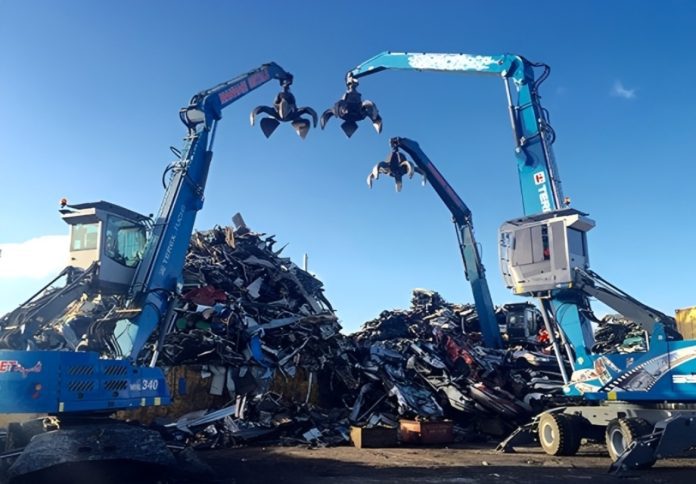
Australian businesses may be holding significant untapped value in unused equipment and infrastructure as global metal prices continue to rise, according to Manhari Recycling.
Maddy Gupta, founder and chief executive of the Victoria-based metal recycling company, said many organisations overlook the amount of recyclable metal embedded in everyday workplace assets, often treating them as waste rather than potential sources of revenue.
“Many people simply don’t realise how many everyday items contain metal that can be recycled and is worth money,” said Maddy Gupta. “Metal is embedded in equipment, infrastructure and furniture across almost every workplace. What businesses often see as clutter or waste can actually be a recoverable asset.”
Gupta said commercial and industrial facilities commonly contain steel, aluminium, copper and stainless steel hidden within machinery that is no longer in use. Items such as conveyors, fabrication equipment, refrigeration units, compressors, pumps, motors and gearboxes can retain scrap value even when they are no longer operational.
Building and construction sites are another major source of recyclable material, with air-conditioning units, HVAC systems, ducting, cooling towers, wiring, electrical equipment and structural steel frequently removed during upgrades without being assessed for recycling potential.
Gupta noted that older buildings in particular can contain substantial amounts of copper and steel. “Copper is particularly valuable, yet it is often overlooked during decommissioning,” he said.
Beyond industrial settings, Gupta said offices, retail premises and hospitality venues also hold recyclable metals in fixtures such as desks, filing cabinets, shelving, server racks, kitchen equipment and shopfitting components.
He noted that during renovations, these items are often discarded in mixed waste streams. “Fit-outs are a prime example,” he said. “With proper separation, those materials can be recovered and monetised.”
Regional and agricultural businesses may also be storing recyclable metal for years without recognising its value. Gupta said disused tractors, irrigation systems, fencing, trailers and storage tanks are commonly left in sheds long after their working life has ended.
“When metal prices are strong, clearing out old machinery can generate meaningful returns,” he said. “What looks like scrap may actually represent thousands of dollars in recyclable material.”
According to Gupta, many businesses continue to incur storage or disposal costs for redundant equipment, despite the opportunity to convert it into revenue.
“Metal recycling is no longer just about waste reduction. It’s about value recovery,” he said, adding that separating metal from general waste can also reduce landfill and transport costs at a time when operating expenses are rising.
Gupta said global demand for recycled metals has increased as manufacturers focus on cost efficiency and supply chain sustainability, lifting the value of locally sourced scrap.
“When demand for recycled materials rises, local scrap becomes more valuable,” he said. “That’s why awareness is critical. Businesses need to understand what they’re holding before they dispose of it.”
He encouraged business owners and site managers to review their premises and identify unused items containing metal. “Walk through your site and ask: what here contains metal? Is it still in use?” he said. “If it’s no longer needed and it contains metal, it likely has worth.”
With prices elevated, Gupta said now is an appropriate time for businesses to reassess what they classify as waste. “Before you send something to landfill or leave it sitting unused, review it,” he said. “You might be surprised how much hidden value is sitting in plain sight.”