A new CSIRO report into the impact on the environment from fracking has found little to no impacts on air quality, soils, groundwater and waterways.
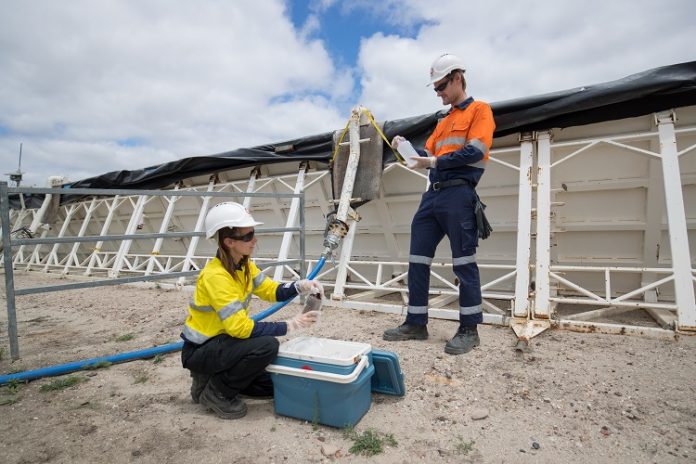
The study – which brought together researchers from the CSIRO, the Australian Nuclear Science and Technology Organisation, University of Queensland and Macquarie University – analysed air, water and soil samples taken before, during and up to six months after hydraulic fracturing operations at six coal seam gas wells in the Surat Basin in Queensland.
It showed that hydraulic fracturing operations had little to no impacts on air quality, and failed to detect hydraulic fracturing chemicals in water samples taken from nearby groundwater bores, soil samples from sites adjacent to operational wells, or in water samples from a nearby creek.
While water produced from the wells immediately after fracturing was found to contain hydraulic fracturing chemicals, elevated concentrations of major ions (salts), ammonia, organic carbon, some metals and organic compounds, the study showed that concentrations reduced to a pre-fractured state within 40 days.
Commenting on these findings, Minister for Resources, Water and Northern Australia Keith Pitt said the report should pave the way for further investment in gas exploration and development across Australia.
“The study looked at all aspects of fracking and their impact on local air and water quality over a three year period at operations in Queensland’s Surat Basin,” Minister Pitt said.
“It found that best practice fracking operations that have been adopted in the Basin had little to no environmental impact, even water produced directly from the wells showed no chemical residues above normal background levels within 40 days of the fracking operation taking place.
“It dispels the misinformation anti-gas activists have been spreading about the CSG industry, which is poised to deliver thousands of new jobs and millions of dollars in new revenue.”
The report was conducted by the CSIRO’s Gas Industry Social and Environmental Research Alliance (GISERA), a collaboration between CSIRO, Commonwealth and state governments and industry established to undertake publicly reported independent research.
GISERA Director Dr Damian Barrett said the three-year scientific study provided unique insights into the impacts of hydraulic fracturing in Australia.
“This new research provides valuable data about hydraulic fracturing in coal seam gas formations in the Surat Basin, Queensland,” Dr Barrett said.
“Previously, the only information about hydraulic fracturing was from overseas studies in quite different shale gas formations.
“Clearly governance, industry regulation and operational integrity are crucial in managing risk and potential impacts of hydraulic fracturing.”