Queensland’s sugar manufacturing sector is urging stronger government-industry collaboration to unlock new biofuels and bioenergy opportunities, highlighting the economic potential of diversifying the industry amid a downturn in global sugar prices.
Leaders from Australian Sugar Manufacturers (ASM) presented to the Queensland Parliamentary Inquiry into Sugarcane Bioenergy Opportunities, outlining a $40 million proposal aimed at fostering government incentives, developing shovel-ready biofuel projects, and advancing research and development in bioenergy.
“The Australian sugar industry is a highly productive and efficient industry, but unfortunately we are fighting on the global stage with one arm tied behind our backs,” said Ash Salardini, chief executive officer of ASM.
He noted that major international producers, including Brazil and India, heavily subsidise their sugar industries, creating challenges for Australian manufacturers.
Despite the current pressures, Queensland’s sugar sector remains a significant regional economic driver, supporting more than 20,000 jobs and contributing billions of dollars in economic activity.
Leaders emphasized that government support is critical to maintain and grow the industry’s contribution to regional economies.
“Queensland’s sugar manufacturing industry has been built over generations and remains a critical regional economic asset,” said Shayne Rutherford, Head of Wilmar Sugar and Renewables and Chair of ASM.
“With the right policy settings, the industry can capitalise on existing factory assets, skilled workforces, and reliable cane supply to diversify into renewable fuels, renewable energy, and other low-emissions products.”
Carl Morton, Chief Executive Officer of Mackay Sugar Limited, highlighted the sector’s readiness to invest in renewable energy projects.
“We already provide one third of Mackay’s electricity needs through biomass cogeneration,” he said. “To expand this capacity and explore new biomanufacturing opportunities, government and market incentives are essential.”
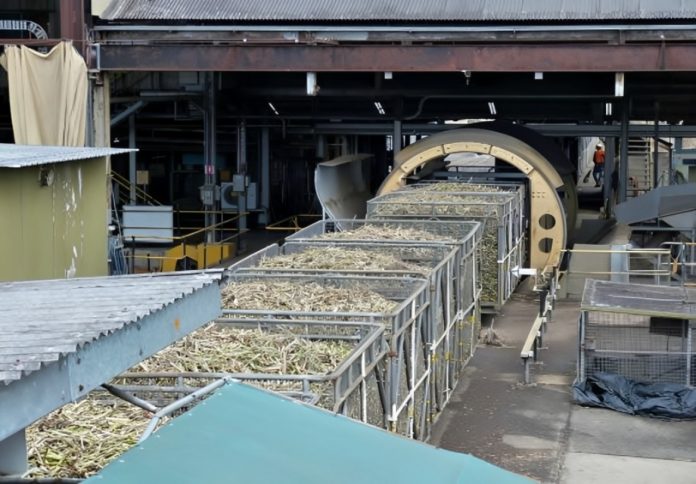
ASM’s proposals include the production of biofuels such as ethanol and sustainable aviation fuel, bagasse-based renewable electricity, biogas, and renewable bioproducts including energy pellets for industrial use.
Industry leaders stressed that targeted government policies could de-risk projects and provide demand certainty, ensuring long-term viability.
“The replacement value of Queensland’s sugar manufacturing assets is more than $20 billion – a capacity painstakingly built over the last 150 years,” Morton added.
“We now need to move from talk to action to preserve and fully utilise this important Queensland economic asset.”
ASM thanked the Queensland Parliament Primary Industries and Resources Committee, led by Chair Stephen Bennett MP, for establishing the inquiry, which the organisation says could transform the sugar manufacturing sector.
For the full ASM submission to the inquiry, visit: ASM Submission PDF.