More than 22,000 Western Australian households and businesses have installed home batteries under the Australian Government’s Cheaper Home Batteries Program in just over six months, according to a joint media release, highlighting strong uptake in the nation’s largest state.
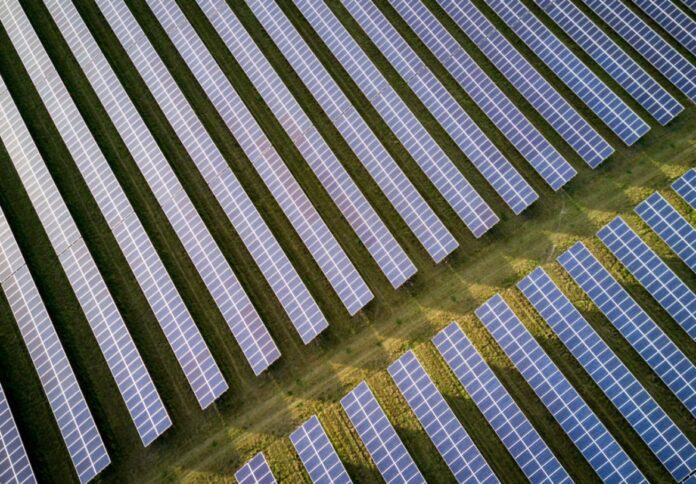
The release said Western Australia has recorded more than 100 battery installations a day since 1 July, more than doubling previous installation rates in a state where nearly half of all homes already have rooftop solar.
Six Western Australian postcodes are now among the top 20 nationally for battery uptake, particularly in Perth’s outer metropolitan areas such as Canning, Armadale and Gosnells.
Overall, the state accounts for 12 per cent of installations under the program, exceeding its typical 10 per cent share of Commonwealth initiatives.
Minister for Climate Change and Energy Chris Bowen said the program was aimed at improving affordability while supporting the electricity system.
“We want more Western Australian households to have access to batteries that are good for bills and good for the grid,” he said. Bowen added that household batteries help store solar energy for use at peak times, which he said can “reduce costs for everyone” while supporting grid stability.
Assistant Minister for Climate Change and Energy Josh Wilson said the uptake reflected Western Australia’s strong solar base.
“Western Australians are making use of our state’s abundant sunshine with almost half of homes now equipped with solar panels,” he said, describing the pace of battery installations as “fantastic”.
Wilson said the government was also supporting community batteries and virtual power plants to help ensure “secure, reliable supply” across the state’s standalone grid.
The government said the Cheaper Home Batteries Program has supported more than 190,000 households and small businesses nationwide, with around three-quarters of installations in suburban and regional areas.
Recent changes announced by the Albanese Government increased program funding to $7.2 billion over four years, with the government expecting more than 2 million Australians to install a battery by 2030.
Member for Moore Tom French said the program was delivering “real, practical benefits for families”, citing more than 1,200 installations in his electorate between July and November and describing the policy as one that “works in the real world”.