Manufacturing graphite for battery use is emerging as a key focus in Australia’s efforts to support clean energy and technology supply chains, according to CSIRO.
In a media release, CSIRO says graphite, a form of carbon commonly known for its use in pencils, is now a critical material in the manufacturing of lithium-ion batteries used in devices such as mobile phones, electric vehicles and renewable energy storage systems.
The agency highlights that while demand for graphite is rising rapidly, particularly as global electrification accelerates, Australia currently undertakes limited processing of the mineral into battery-grade material.
Graphite is listed as a critical mineral in Australia due to its essential role as the primary anode material in lithium-ion batteries and the potential risks associated with global supply chains.
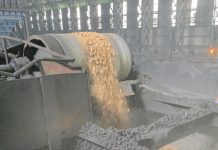
CSIRO notes that producing battery-grade graphite involves multiple stages, including mining, concentration, shaping, purification to very high levels and coating, before it can be used in battery manufacturing.
According to CSIRO, Australia holds significant graphite resources, ranking among the top global producers, but most high-value processing occurs overseas.
aThe release states that China currently processes around 95 per cent of the world’s battery anode materials, raising concerns about supply concentration.
CSIRO outlines that this situation presents both a challenge and an opportunity for Australia to expand domestic manufacturing capabilities and develop a more secure and diversified supply chain. The agency says a local industry could contribute to economic growth and provide a reliable source of battery materials for global markets.
The organisation is conducting research across the graphite value chain, including work on characterising materials, improving processing techniques such as spheronisation and purification, and recovering graphite from used batteries.
CSIRO says it is also developing alternative purification methods that avoid the use of hydrofluoric acid, a substance traditionally used to achieve high purity levels but associated with environmental and health risks.
The media release states that global demand for battery-grade graphite is expected to grow significantly, driven largely by electric vehicles.
It also notes ongoing industry discussions around the use of natural versus synthetic graphite, with both offering different cost and performance considerations.
CSIRO adds that government-supported research funding is being made available to Australian small and medium enterprises to support innovation in graphite production and processing technologies, particularly those linked to battery manufacturing.
The agency concludes that Australia’s resource base, environmental standards and research capabilities position it to play a role in meeting future demand, while acknowledging that further development of domestic processing capacity will be required.