
Lockheed Martin Australia has outlined ongoing efforts to support the long-term sustainment of Australia’s growing HIMARS fleet, with a focus on leveraging domestic manufacturing capability and industry collaboration.
In a media release, the company said it is working closely with Rheinmetall Defence Australia to explore how existing Australian manufacturing facilities and expertise can be used to strengthen sovereign capability and ensure the operational readiness of the Australian Army’s long-range fires systems.
As the HIMARS capability expands, Lockheed Martin Australia said sustainment and through-life support are becoming increasingly important to maintaining resilience, readiness and value for money.
The two companies are assessing how infrastructure and specialist skills across Queensland and South Australia could be aligned to establish an Australian-based sustainment model.
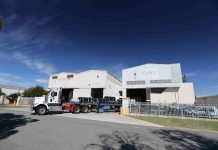
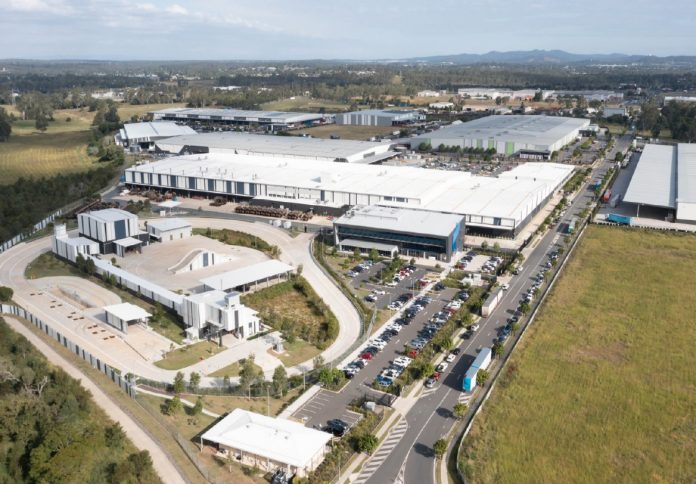
This includes consideration of Rheinmetall’s Military Vehicle Centre of Excellence in Queensland, described as a purpose-built facility for complex defence platform manufacturing and sustainment, alongside established facilities in South Australia.
According to the release, using existing infrastructure is intended to improve efficiency, scalability and capability availability without duplicating resources.
Lockheed Martin Australia said the collaboration could also contribute to growing local expertise in heavy vehicle maintenance and complex systems sustainment, noting that HIMARS requires highly skilled technicians, engineers and systems specialists.
The initiative is expected to support capability development across multiple areas, including specialist maintenance and systems integration.
The company added that a domestic sustainment framework could provide broader economic benefits, including job creation in engineering, technical trades, logistics and supply chain management across Queensland and South Australia.
It also identified potential opportunities for small and medium-sized enterprises to participate in support services and component repair.
The exploration aligns with the Australian Government’s Sovereign Defence Industrial Priority 3, which focuses on strengthening domestic capability for sustaining land systems.
Lockheed Martin Australia said developing local sustainment pathways for platforms such as HIMARS contributes to a more resilient defence industrial base.