A new study from the UNSW Sustainable Materials Research and Technology (SMaRT) Centre has found that manufacturing activated carbon from textile and other waste streams could offer a more sustainable alternative to conventional production methods used in global purification systems.
The research, published by Elsevier, examined how end-of-life textiles can be transformed through a thermal manufacturing process into activated carbon, a material widely used for purification and filtration in water, air and industrial applications.
The SMaRT Centre said the approach could reduce the environmental impacts associated with traditional coal-based manufacturing of activated carbon.
SMaRT Centre Director Professor Veena Sahajwalla said the findings highlight the potential to address both waste and resource challenges through new manufacturing pathways.
“We show it is very possible to not only help ameliorate the growing waste textiles problem being experienced globally, but to reform this waste stream usually destined for landfill into highly valued activated carbon materials that can be used in many purification systems,” she said.
According to the study, the manufacturing process demonstrated a 36 per cent reduction in embodied carbon and more than a 99 per cent reduction in embodied energy demand compared with conventional coal-derived activated carbon.
Professor Sahajwalla said this suggests “far superior sustainability advantages over conventional methods of creating activated carbon used in the countless purification and filtration systems across the world”.
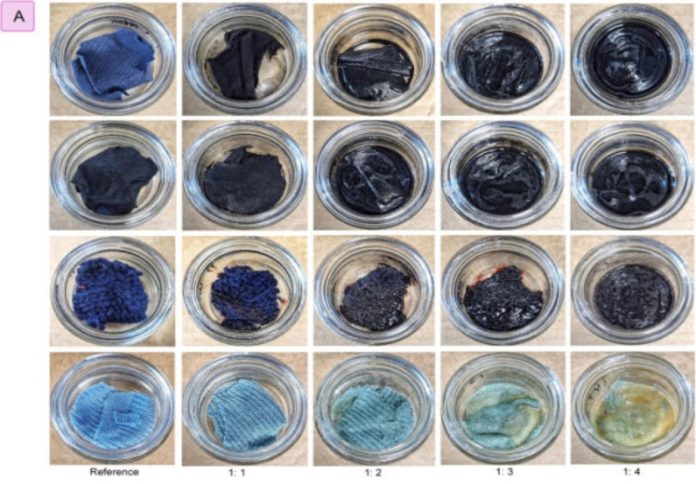
The research assessed 14 common textile types, including cotton, polyester, wool and blended fabrics, and found that 11 were suitable for activated carbon manufacturing, while materials such as polyurethane and leather performed poorly.
A lifecycle assessment also indicated improved environmental performance across several impact categories, including global warming potential and fossil fuel depletion.
The UNSW SMaRT Centre said the study supports the development of small-scale manufacturing technologies that could recover valuable materials from complex waste streams.
The research was conducted under the Australian Research Council Industrial Transformation Research Hub into Microrecycling, which aims to develop sustainable manufacturing solutions for hard-to-recycle waste.