Opella Healthcare has announced a new manufacturing-focused electrification project at its North Brisbane facility, supported by $1.94 million in funding from the Australian Renewable Energy Agency (ARENA), in what the company describes as an Australian first in site decarbonisation.
In a media release, Opella said the project will apply a heat pump electrification approach to dehumidification, aimed at reducing emissions linked to traditional energy-intensive manufacturing processes.
The company estimates the initiative could cut approximately 1,200 tonnes of CO2 annually, while increasing electricity consumption by about 2%.
“The ARENA funding is strong recognition and support for the Opella Dehumidification and Heat Pump Electrification Project,” said Lee Coomber, General Manager of Opella ANZ.
“Here Opella is able to showcase how traditional energy-intensive processes can be reimagined and electrified, bringing us one step closer to a decarbonized manufacturing sector.”
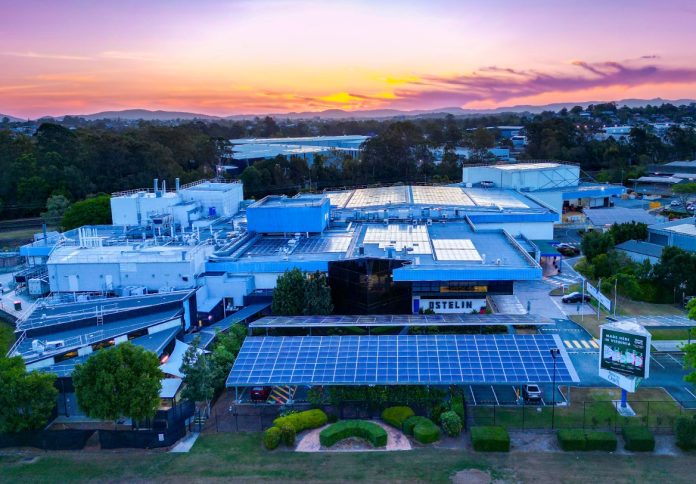
According to Opella, the Brisbane site already operates on 100% renewable electricity, with around 22% generated from 2,700 on-site solar panels.
The company said the new project will eliminate gas as a fuel source, positioning the facility as a benchmark for sustainable manufacturing practices.
Stuart Addinall, Head of Manufacturing and Supply at Opella ANZ, said the initiative aligns with broader corporate sustainability goals.
“In line with Opella’s broader sustainability goals and decarbonization strategies, we aim to lead the change in Brisbane with a completely new approach,” he said. “This means ensuring the products our customers trust are made sustainably for generations to come.”
Addinall added that the project follows two years of development. “This electrification project we officially launch today is the result of two years of hard work and dedication of our passionate teams,” he said.
Opella ANZ employs more than 300 people across functions including manufacturing, research and development, and supply.
The Brisbane manufacturing and supply workforce accounts for around 60% of its total staff. The site produces more than 2.1 billion tablets and soft-gel capsules annually, including products under brands such as Nature’s Own, Ostelin and Cenovis.
Opella said the project represents a step toward its net-zero targets, though broader industry adoption of similar manufacturing approaches will depend on factors including cost, scalability and infrastructure readiness.