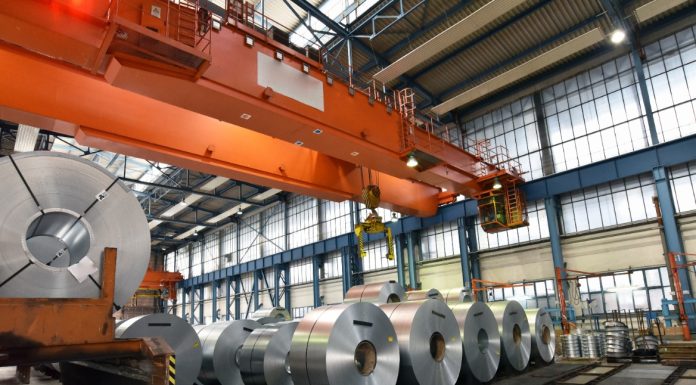
Queensland has officially begun construction on the country’s first steel mill in more than three decades, with a focus on sustainable manufacturing and meeting domestic demand for reinforcing bar.
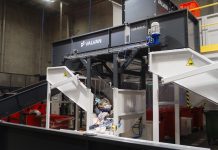
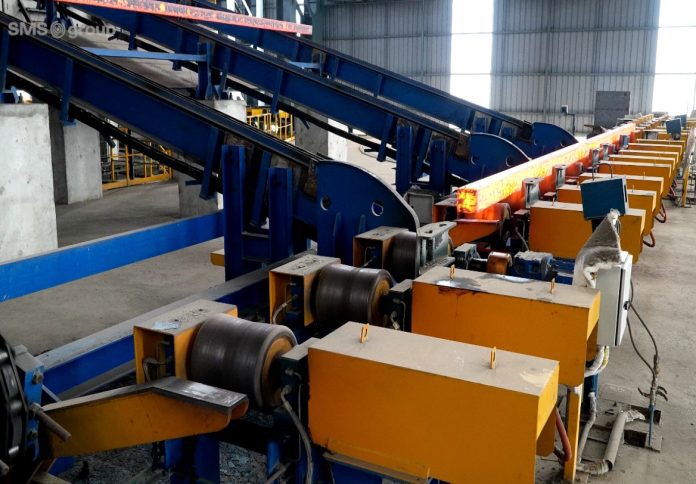
The Swanbank Steel Mill, led by Queensland-based manufacturer Future Forgeworks, aims to produce low-emissions steel from recycled scrap and advanced electric-powered steelmaking technology, as revealed in a news release.
The mill, located in Ipswich, is expected to cut emissions by more than 70 percent compared with traditional steelmaking, a reduction equivalent to removing roughly 160,000 petrol-powered cars from Australian roads each year. Future Forgeworks said it plans to achieve net-zero emissions at the site by 2040.
Rohan Richardson, CEO of Future Forgeworks, said the first steel is anticipated in early 2028, with the facility producing 350,000 tonnes of Australian-standard rebar annually.
“Between now and the 2032 Olympics, Queensland’s first green steel mill will produce cost-competitive, low-emissions rebar that will replace $2 billion in imports,” he said. “This is enough rebar to build 72 Olympic-sized stadiums or 315,000 houses.”
Richardson added that the project would support a local supply chain using end-of-life vehicles and household appliances, converting them into steel for Australian infrastructure. At full capacity, the mill is expected to meet up to 90 percent of Queensland’s rebar demand.
The construction phase is projected to inject A$100 million into the South-East Queensland economy, creating more than 400 construction jobs, 200 permanent on-site manufacturing roles, and over 500 additional positions across the supply chain.
“With our advanced manufacturing facility, I see South-East Queensland leading Australia’s path to sovereign capability in sustainable secondary steel production and innovation,” Richardson said.
Queensland’s Assistant Minister for Regional Development, Resources and Critical Minerals, Bryson Head, described the project as a milestone for local manufacturing.
“The Crisafulli Government is delivering a plan for Queensland’s future, and that means backing home grown innovation that drives our economy forward,” he said. “Through our Transforming Queensland Manufacturing Strategy… the Swanbank Steel Mill ticks every box.”
Ipswich Mayor Teresa Harding emphasised the mill’s role in preparing the region for the 2032 Brisbane Olympics.
“We’re a manufacturing city with the skills, the workforce, and advanced industries right here, and this new facility will see Ipswich producing sustainable steel that will enrich our economy and support manufacturing jobs into the future,” she said.
“This is a vote of confidence in both our workforce and our environmental responsibility, setting our region up for a strong and sustainable future,” the mayor noted.
Bernhard Steenken, Chief Sales Officer for APAC and MEA at SMS group, which supplies the steelmaking technology, highlighted the partnership with Future Forgeworks. “Together, we are excited to lead the charge in establishing Queensland’s first green steel plant, paving the way for a more sustainable future,” he said.
Conrad Hall, National Lead Partner at KPMG Corporate Finance, noted strong interest from financiers.
“We are proud to be partnering with Future Forgeworks… the project has strong credentials, has attracted significant interest from the financing community, and momentum is overwhelmingly positive,” he said.
Tony Richardson, Managing Director Resources at Aurecon, confirmed the project’s technical readiness.
“I can say with confidence the Swanbank site is technically feasible, and the project is ready to move at pace to deliver more sustainable products that will underpin Queensland’s growth for years to come,” Richardson stated.