

Tag: workforce training

Queensland skills program targets manufacturing and automotive qualifications
The Queensland Government is funding training and assessment to help experienced workers in manufacturing, engineering and automotive industries gain formal trade qualifications, as part of a program aimed at addressing skills shortages across the state.

Tasmania launches skills compact to boost advanced manufacturing workforce training
The Tasmanian government has launched a collaborative partnership with industry to boost skills, training and workforce development in the advanced manufacturing industry.

Weld Australia launches learning resources for Manufacturing & Engineering Training Package
Industry representative Weld Australia has introduced a new suite of learning resources for the Manufacturing and Engineering (MEM) Training Package.

Navigating food manufacturing challenges: How Lifestyle Bakery uses Intertek Alchemy in upskilling workforce
In a world where the food industry is constantly evolving, the adoption of online training systems has emerged as a crucial catalyst for business success. These days, staying competitive requires more than just secret recipes and skilled cooks; it demands a well-trained and adaptable workforce capable of managing the complexities of modern production.

Advancing workforce training key to scaling up Australian manufacturing— Intertek SAI Global Commercial Director
Skill shortage has emerged as a pressing concern in the Australian manufacturing landscape as volumes of migration into the country increase and the need to fill the manpower gap reverberates throughout the industry.







Featured Article
Xometry CEO Sanjeev Singh Sahni on how AI and digital networks are reshaping manufacturing supply chains
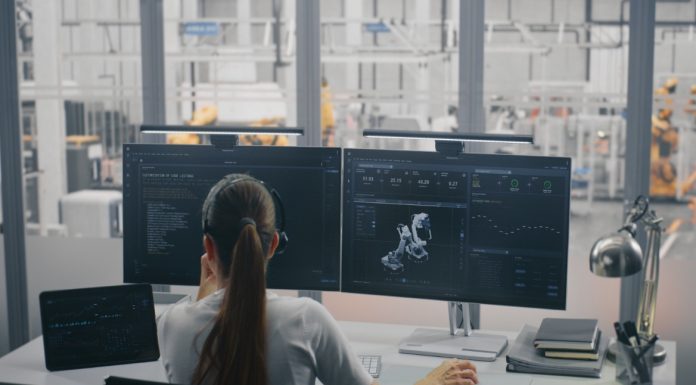
Australian manufacturers have long competed against distance. In an exclusive interview with Australian Manufacturing, Xometry CEO Sanjeev Singh Sahni discusses how AI can help manufacturers access more production capacity and simplify traditionally email-driven supply chains.