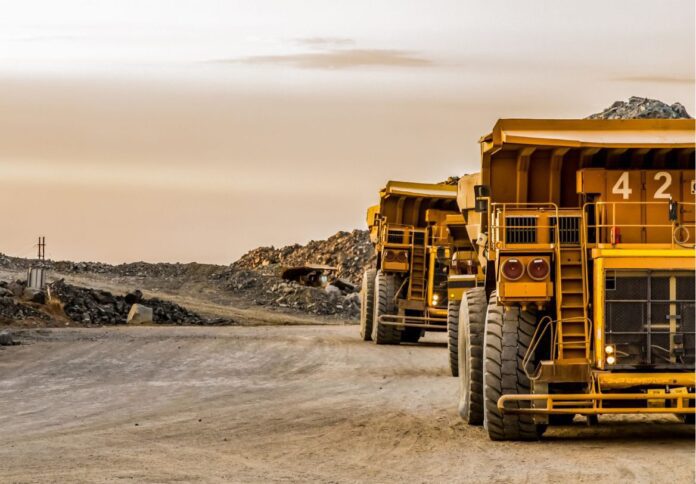
Australia is sitting on a potential $26 billion economic opportunity over the next decade, but only if it stops shipping raw materials overseas and starts processing them locally, a leading mining industry expert says.
Engineering and management consultancy firm Hatch says the country currently operates a “linear system,” digging up valuable raw materials, sending them to China for processing, then buying back the finished products that often end up in Australian landfills.
Jan Kwak, Hatch’s managing director for climate change, said Australia can change this pattern with “a robust framework.”
“Right now, we dig it up, ship it out and lose the circularity,” Kwak explained. “Australia has enormous natural advantages in critical minerals; we have some of the world’s most valuable critical minerals, but we only capture the first step of the value chain. When processing happens offshore, recovery happens offshore too, and we lose control of the materials we’ll need again.”
Australia’s National Circular Economy Framework has set targets, which include a 10% reduction in per-person material usage, a 30% increase in material productivity, and an 80% recovery rate for resources. Achieving these goals could cut Australia’s emissions by 14% and reduce waste by 26 million tonnes annually.
Hatch, which specialises in metals, energy and infrastructure projects, believes the solution lies in developing more onshore processing facilities. The company argues that circular economy principles should be built into projects from the design stage, rather than added as an afterthought.
“Australia is one of the world’s largest suppliers of minerals essential to clean energy, including iron ore, bauxite, copper, nickel, and the precursors for lithium battery chemicals. But recent reporting shows most critical minerals are still refined in China, Indonesia and Malaysia before being re-imported as finished products,” Kwak added.
This foreign reliance creates a fundamental problem for building a circular economy. “If the refining and manufacturing happen somewhere else, then the reuse, remanufacturing and recycling happen somewhere else too. You simply can’t close a loop you don’t own,” Kwak noted.
Achieving this transformation will require digital systems that track materials throughout their lifecycle, along with modular infrastructure designs that make facilities easier to repurpose. Kwak also emphasised the need for cross-industry collaboration and longer-term executive leadership to drive the changes.