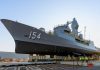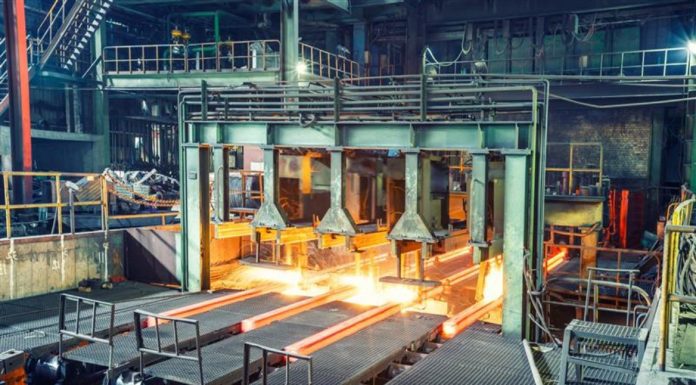
Ipswich City Council says the city’s manufacturing sector is central to its ambition to become Queensland’s manufacturing and defence capital, supported by a large pipeline of industrial land and targeted investment efforts.
In a media release, the council said Ipswich has about 8,000 hectares of future industrial land supply, positioning it as a key location for manufacturing, defence, logistics and related industries in South East Queensland.
Ipswich Mayor Teresa Harding said the city’s manufacturing base and available land give it a competitive edge in attracting new investment.
“Ipswich is in a prime position to help bring manufacturing back to Queensland and Australia,” Harding said.
The council outlined its case in an investment prospectus titled The City of Ipswich: Space to Grow, which highlights land availability, workforce capacity and geographic location as factors supporting further industrial development.
Harding said manufacturing and defence are already major contributors to the local economy, accounting for about 60 per cent of Ipswich’s $8 billion in annual exports.
“Manufacturing and defence are our city’s biggest industries, and we are hungry for more of this type of investment,” she said.
The council noted that Ipswich’s potential industrial land supply of 7,923 hectares exceeds that of other local government areas in the region combined, at a time when broader South East Queensland is facing constraints.
“The region overall is facing challenges when it comes to industrial land supply, with Brisbane predicted to run out in a matter of a few years,” Harding said. “Ipswich stands ready to cater for the land requirements of a range of industries.”
She added that the city’s existing industrial base and workforce continue to support manufacturing as a major employer.
“We want to ensure Ipswich is the manufacturing and defence capital of Queensland, so that investment flows through our economy and leads to job opportunities for our residents,” Harding said.
The prospectus also highlights population growth, with Ipswich’s population of about 270,000 projected to exceed 500,000 by 2046, alongside a relatively young workforce and access to surrounding regions.
Harding said the city’s economic output of $15 billion, annual growth rate of 4.2 per cent, and more than 13,000 businesses underpin its investment case.
“Through our Economic Development Incentive Policy, we will continue to attract high value projects to Ipswich that drive job creation, capital investment and support the growth of our local industries,” she said.
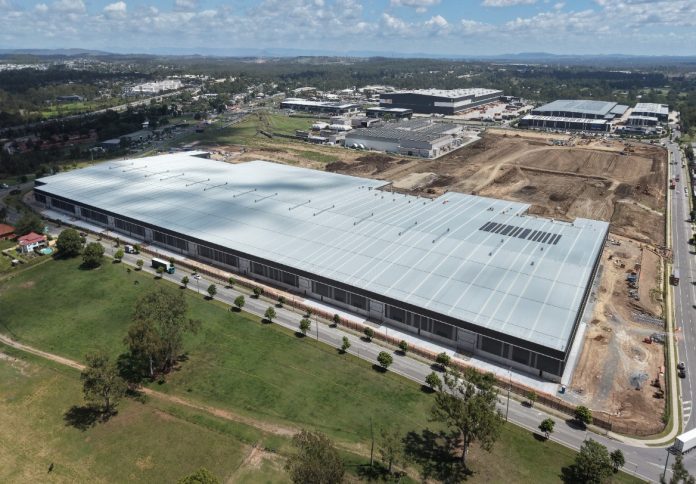
Private sector stakeholders also pointed to the city’s advantages. Officeworks Managing Director John Gualtieri said the company selected Ipswich for its new Omnichannel Distribution Centre due to its location and workforce.
“Located in Redbank, with strong access to key transport links and a growing local workforce, this highly automated, future-ready facility will help simplify our operations, create hundreds of local jobs, and support our team with a safer and more modern workplace,” Gualtieri said.
Property Council of Australia Queensland Executive Director Jess Caire said Ipswich’s capacity for large-scale projects is significant as industrial land becomes scarcer across the region.
“Ipswich’s scale, land availability and industrial capability position it as a natural home for Queensland’s next phase of manufacturing and defence investment,” Caire said.
“As pressure builds on industrial land supply across South East Queensland, Ipswich stands out as one of the few locations able to accommodate major employers at the scale they need,” she added, noting such investment is important for productivity, supply chains and economic resilience.
Ipswich City Council said it will continue promoting the prospectus to attract further investment into manufacturing and related sectors.