Researchers at MIT have unveiled a new multimaterial 3D-printing platform designed to streamline the manufacturing of complex electric machines, potentially enabling rapid, on-site production of devices that traditionally require specialized equipment.
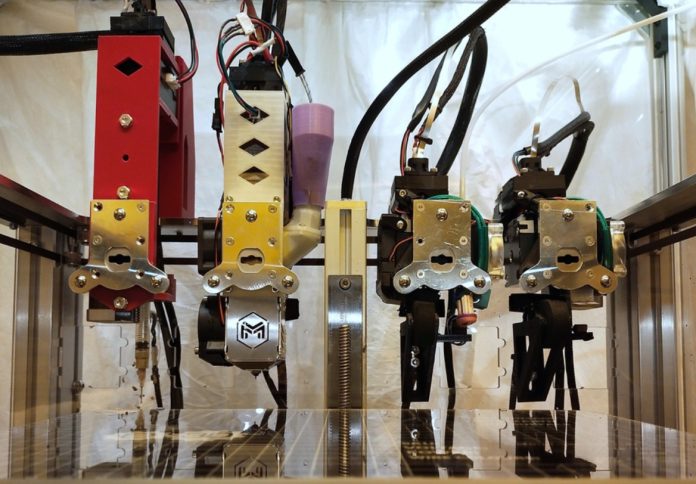
The system, developed at MIT’s Microsystems Technology Laboratories, can process multiple functional materials – including electrically conductive and magnetic substances – using four extrusion tools, MIT said in a news release.
These tools deposit materials layer by layer, allowing the platform to produce a fully functional electric linear motor in a matter of hours with just one post-processing step.
“This is a great feat, but it is just the beginning,” said Luis Fernando Velásquez-García, principal research scientist at MIT and senior author of a paper describing the platform.
“We have an opportunity to fundamentally change the way things are made by making hardware onsite in one step, rather than relying on a global supply chain. With this demonstration, we’ve shown that this is feasible.”
The researchers noted that fabricating electric machines typically involves complicated processes and centralised manufacturing centers, which can slow production if parts fail or replacements are needed.
By contrast, the MIT platform could allow factories to produce customised components, including motors, robots, vehicles, or medical equipment, with less waste and lower cost.
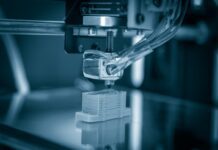
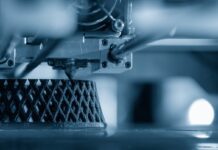
The team focused on extrusion-based 3D printing, a method that deposits material through a nozzle one layer at a time. Existing multimaterial systems typically switch between only two materials in the same form, such as filament or pellets.
To overcome this limitation, the MIT researchers retrofitted a printer with four extruders capable of handling different feedstocks, while integrating sensors and a novel control system to ensure precise alignment of each material layer.
Using the platform, the team produced a linear motor—used in pick-and-place robotics, optical systems, and baggage conveyers—in about three hours. The 3D-printed motor required only a single magnetisation step after printing and achieved performance comparable to or exceeding traditionally manufactured motors, with estimated material costs of around 50 cents per device.
“Even though we are excited by this engine and its performance, we are equally inspired because this is just an example of so many other things to come that could dramatically change how electronics are manufactured,” Velásquez-García said.
The research, led by EECS graduate students Jorge Cañada and Zoey Bigelow alongside Velásquez-García, is funded in part by Empiriko Corporation and the La Caixa Foundation. The findings appear in the journal Virtual and Physical Prototyping.
This platform represents a potential shift in manufacturing practices, offering a faster, more flexible approach to producing complex electronic devices while reducing reliance on centralised supply chains.