The Net Zero Commission says New South Wales has made progress in reducing greenhouse gas emissions and expanding low-emission technologies, but warns stronger action will be needed if the state is to meet its legislated emissions reduction targets for 2030 and 2035.
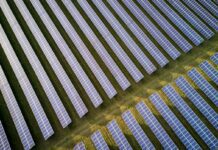
In its 2026 Annual Progress Report, the independent statutory body said the expansion of renewable electricity, improvements in household energy efficiency and cleaner transport were contributing to lower emissions and reduced energy costs.
The report also pointed to initiatives including the Home Energy Saver program, Consumer Energy Strategy and Climate Change Adaptation Action Plan as providing a foundation for further progress.
The Commission said current trends suggest NSW is unlikely to achieve its legislated targets without additional measures. It recommended that government decisions, including planning assessments, be aligned with the state’s emissions reduction targets to help accelerate progress.
Commission Chair Nick Rowley said NSW had already demonstrated progress but needed to build on existing efforts.
“NSW has made important progress, and there is a clear path to build on. Proven technologies and policies are already helping to reduce emissions and energy costs. Expanding these efforts in a consistent and practical way will put the state on track to meet its targets while supporting jobs and communities,” Rowley said.
He added that planning decisions could help direct investment towards projects that support the state’s climate goals.
“Planning assessments can have real impact with clear and predictable rules helping investment flow into projects that will support, rather than hinder, progress towards the state’s legislated targets. With the right policy settings, NSW can support a more productive economy and higher household incomes over the coming decades,” Rowley said.
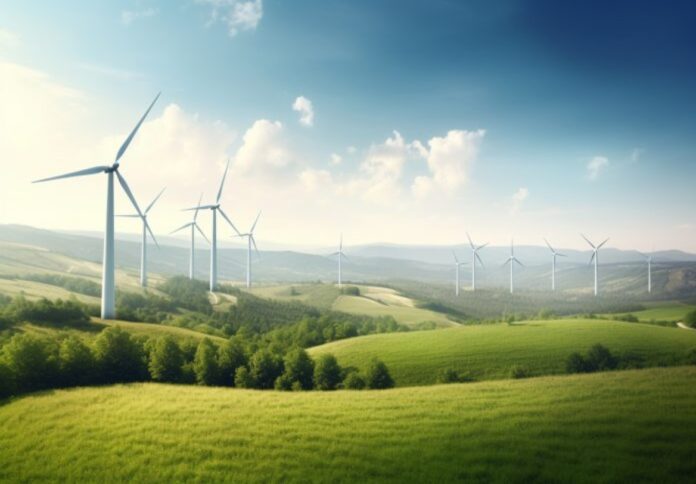
Among its recommendations, the Commission called for faster deployment of renewable energy generation, storage and transmission, greater support for electrification through electric vehicle charging networks and all-electric buildings, further reductions in methane emissions from agriculture, waste and coal mining, and long-term investment in climate adaptation and resilience.
It also said adaptation efforts should be guided by First Nations knowledge alongside input from local communities and councils.
The Net Zero Commission, established under the Climate Change (Net Zero Future) Act 2023, reports annually to the NSW Parliament on the state’s progress towards its legislated emissions reduction targets and climate adaptation objectives.