RMIT University researchers have reported new findings showing that biochar derived from spent coffee grounds can help produce lower-carbon concrete, following what the university describes as the first life-cycle analysis of its kind examining the material’s environmental impacts from production through to end of life.
According to RMIT, the study led by Dr Jingxuan Zhang and Dr Mohammad Saberian found that replacing sand in concrete with coffee-ground biochar reduced life-cycle carbon dioxide emissions by 15, 23 and 26 per cent at substitution rates of 5, 10 and 15 per cent respectively.
The researchers said the analysis also showed up to 31 per cent lower fossil fuel use and improved outcomes for rivers and lakes.
Zhang said the results build on earlier laboratory trials that pointed to both performance gains and supply-chain benefits.
“We showed that coffee biochar can cut concrete’s carbon footprint in the scenarios we assessed, while earlier trials demonstrated strength gains using the same approach,” she said.
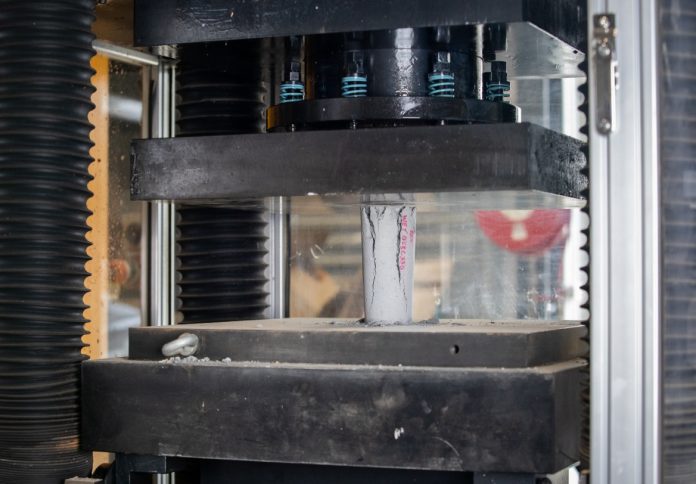
RMIT noted that previous experiments heated used coffee grounds at around 350 degrees Celsius without oxygen to create a fine biochar, which, when used to replace 15 per cent of sand in concrete, increased 28-day strength by about 30 per cent. The team said this method could also help reduce pressure on natural sand resources.
Professor Chun-Qing Li, who provided guidance to the research group, said the findings highlight an emerging pathway for more sustainable construction materials.
“Using moderate amounts of coffee biochar offers a clear, measurable pathway to lower-impact concrete,” he said.
Saberian said RMIT is now engaging with industry and government stakeholders to explore practical applications.
“Next steps include larger pilots, mix optimisation and alignment with standards so projects can adopt this confidently,” he said. “We welcome collaboration on supply chains and field deployments.”
RMIT added that public demonstrations have already taken place, including a footpath pilot, a coffee-biochar concrete section delivered through the Victorian Big Build, and an installation featured in the National Gallery of Victoria’s Making Good: Redesigning the Everyday exhibition.
The study, Carbon footprint reduction in concrete using spent coffee grounds biochar: a life cycle perspective, is published in the International Journal of Construction Management.