
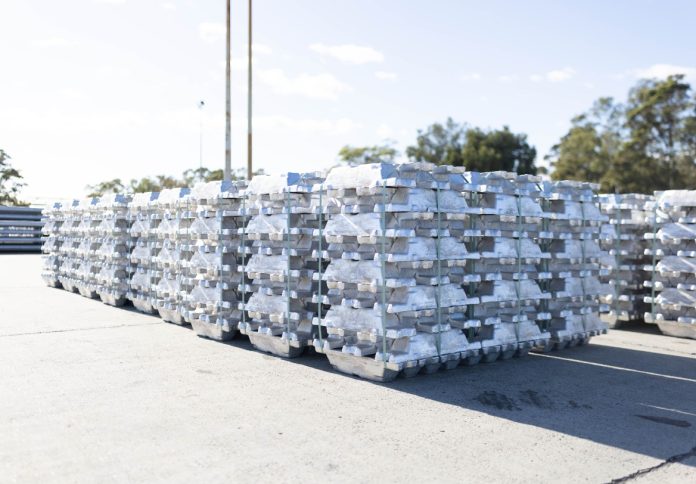
The Australian Aluminium Council has called for bauxite, alumina and aluminium to be added to Australia’s Critical Minerals List, saying the move would help protect the country’s integrated aluminium industry and strengthen its role in global manufacturing and supply chains.
In a report titled Securing Australia’s Aluminium Advantage, released ahead of the Federal Government’s 2026 review of the Critical Minerals List, the council said Australia’s current classification differs from those of key strategic partners, including the United States, the United Kingdom, the European Union, Canada and South Korea, which recognise aluminium or parts of its value chain as critical.
Australia produces nearly a quarter of the world’s bauxite and is the world’s largest alumina exporter, but neither material nor aluminium is included on the country’s Critical Minerals List. Aluminium is instead recognised on the separate Strategic Materials List.
“Australia already has what our allies are trying to build: an integrated aluminium industry, from the mine to the finished product,” said Marghanita Johnson, chief executive officer of the Australian Aluminium Council.
Johnson said listing the three materials would align Australia with its partners and support its position as a reliable supplier amid geopolitical uncertainty.
The report points to growing international competition and changes in global production capacity. Indonesia’s alumina refining capacity is forecast to increase from seven million tonnes in 2025 to 32.5 million tonnes by 2030, while Guinea’s bauxite exports reached approximately 183 million tonnes in 2025. Australian output has contracted in recent years following the closure of one refinery and the curtailment of another.
The council said concentrated global production also creates supply-chain vulnerabilities, with four countries accounting for 85 per cent of bauxite production, 86 per cent of alumina production and 76 per cent of primary aluminium production.
Australia’s aluminium value chain spans mining, refining, smelting and downstream manufacturing. According to the report, alumina refining alone contributes $7.9 billion in value and supports more than 32,000 jobs, many in regional areas.
The council said deteriorating industry competitiveness could put this industrial capability at risk, pointing to the United States, which has seen its number of aluminium smelters fall from 24 in 2000 to four today.
“Listing is not about accessing additional funding. This is about ensuring Australia can continue to be a reliable supplier of choice – despite the geopolitical uncertainties the industry may face,” the council said.
The report is available on the Australian Aluminium Council’s website.