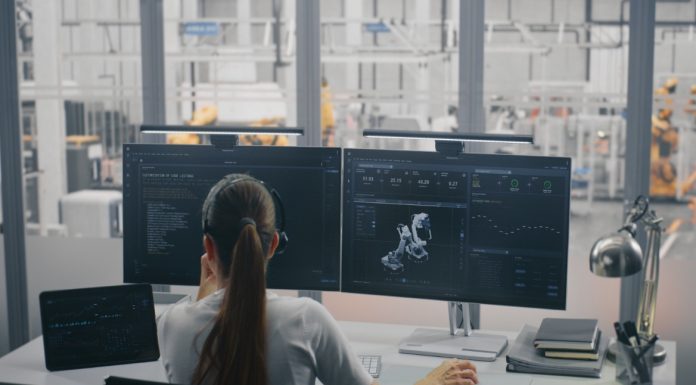

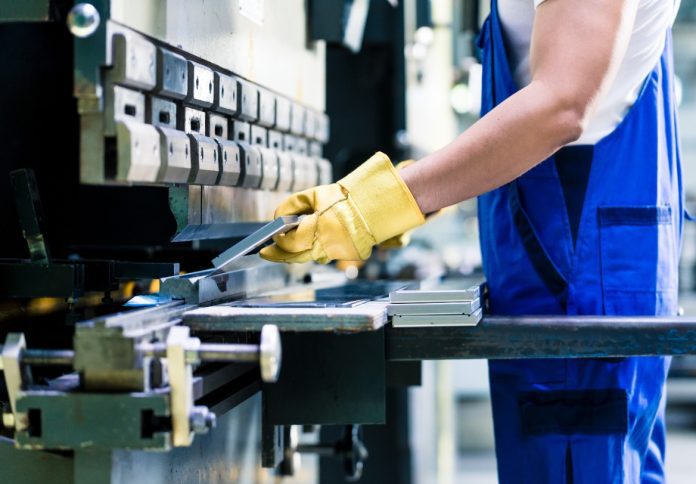
Rising operating costs, workforce shortages and uncertainty around government policy are putting pressure on Australian manufacturers, with GoZero Group warning that the combined challenges could affect investment, productivity and the country’s long-term industrial capabilities.
In an exclusive interview with Australian Manufacturing, GoZero Group Chairman and Managing Director Stephen Cartwright said manufacturers were facing simultaneous increases in energy, labour, materials, compliance and financing costs, making it increasingly difficult for businesses to remain competitive.
“The biggest challenge facing Australian manufacturers is not any one cost; it is the cumulative effect of energy, labour, materials, compliance and financing costs all moving in the wrong direction at the same time,” he said.
He identified energy prices, international material costs and regulatory requirements as key pressures, noting that bus manufacturing also involved complex supply chains, with thousands of components sourced internationally.
Cartwright said rising operating expenses were affecting capital allocation, potentially diverting funds from machinery, automation, product development and additional workers.
Policy certainty and manufacturing investment
Cartwright identified greater government policy certainty as a priority, arguing that manufacturers making long-term investments in facilities, equipment and workers needed confidence in the regulatory and funding environment.
He also called for government procurement to consider the broader economic contribution of local manufacturing, including employment, apprenticeships, supply chains and industrial capability, rather than focusing solely on initial purchase prices.
However, he said this should not mean governments buying Australian-made products regardless of cost or quality.
He also highlighted the need to simplify overlapping regulations across Commonwealth, state and local governments and ensure industry support programs deliver measurable outcomes.
Cartwright warned that increasing costs and uncertainty could cause manufacturers to delay factory expansions, automation projects and recruitment.
“If current pressures continue unchecked, the risk is not simply fewer factory jobs. We risk losing the engineering knowledge, skilled trades, supply-chain capability and industrial expertise that takes decades to build,” he said.
Skills shortages and workforce development
Workforce shortages were another significant concern, particularly as manufacturing incorporates more advanced technologies.
Cartwright said modern bus manufacturing required electricians, welders, fabricators, mechanics, engineers, automation specialists and workers with expertise in software, controls and high-voltage electrical systems.
He said the transition to electric buses was increasing the industry’s technical requirements, combining traditional mechanical manufacturing with electrical engineering, electronics and software.
“Modern manufacturing is a high-technology industry. It offers careers in engineering, robotics, automation, software, electrical systems and advanced production — not simply traditional factory work,” he said.
Cartwright identified apprenticeships, traineeships and cadetships as essential to developing the next generation of manufacturing workers.
However, he acknowledged that the initial cost of training apprentices could be difficult for businesses facing financial pressure. He called for closer partnerships between manufacturers, TAFE and government to ensure vocational education reflects changing industry requirements.
Imported competition and supply-chain resilience
Cartwright also addressed competition from lower-priced imports, particularly from China, saying differences in production costs, economies of scale and government support could affect the competitiveness of Australian manufacturers.
He argued that imported products should meet the same safety, environmental and regulatory standards expected of locally manufactured goods.
Rather than relying on trade barriers, he said government procurement should consider whole-of-life costs, including reliability, spare parts, local technical support, energy consumption and the economic value of domestic production.
Recent global conflicts and supply-chain disruptions had also highlighted the importance of maintaining domestic manufacturing capabilities, he said.
“The biggest lesson from recent global disruptions is that efficiency and resilience are not the same thing,” Cartwright said.
He said Australia should identify strategically important products and capabilities where domestic manufacturing, maintenance or substitution capacity should be retained.
For the bus industry, this includes vehicle integration, engineering, electrical systems, batteries, charging infrastructure, components and technical skills.
Cartwright said strengthening domestic manufacturing would require long-term government procurement commitments and continued industry investment in productivity, automation and workforce development.
“The goal should be sovereign capability that is commercially sustainable,” he said.