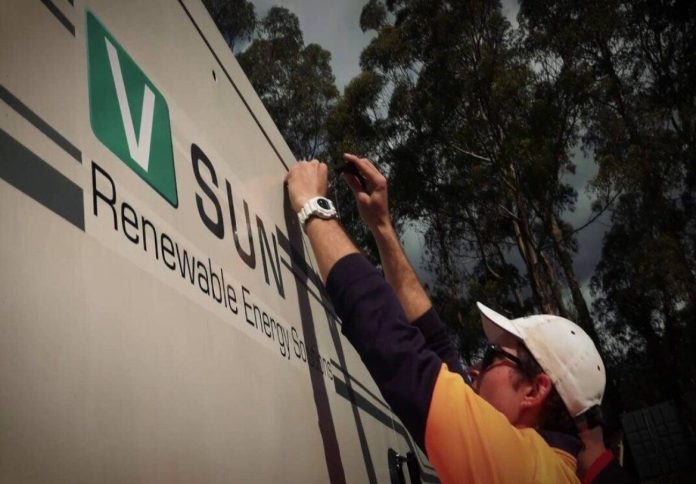
Australian Vanadium Limited (AVL) has announced a collaboration with Alcoa of Australia Limited to evaluate the potential deployment of vanadium flow battery (VFB) technology at Alcoa’s alumina refinery operations in Western Australia.
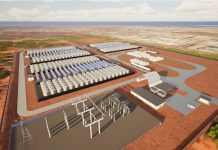
According to Australian Vanadium, the companies have signed a non-binding Memorandum of Understanding (MoU) under which AVL and its wholly owned subsidiary, VSUN Energy, will undertake a scoping-level study to assess the financial and technical merits of installing a VFB energy storage system with a nominal capacity of 50–80MW and a storage duration of six to eight hours, with the potential to extend beyond eight hours.
The study will consider possible deployment at Alcoa’s refinery sites and associated landholdings in Western Australia.
Australian Vanadium said the assessment will examine how long-duration energy storage could support Alcoa’s operations, optimise energy use during peak demand periods and increase the use of renewable energy.
Under the agreement, AVL and VSUN Energy will be responsible for the battery system design, technical specifications, cost estimates, electrolyte supply considerations, project financing options and the assessment of potential government funding opportunities. Alcoa will provide support for the study.
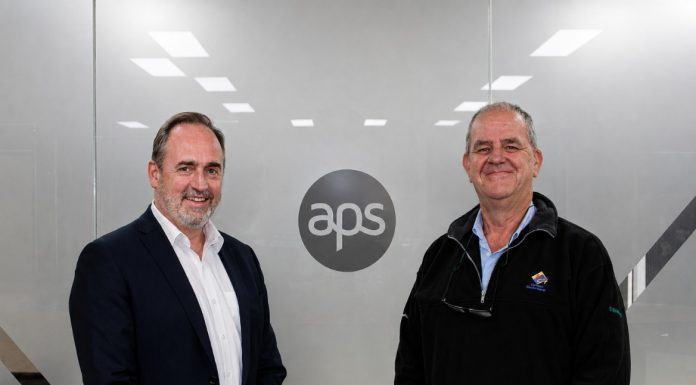
Australian Vanadium Chief Executive Officer Graham Arvidson said the collaboration would provide an opportunity to assess the role of vanadium flow batteries in industrial applications.
“This MoU with Alcoa represents an important opportunity to demonstrate the value of vanadium flow batteries in utility-scale industrial applications,” Arvidson said.
“Long-duration energy storage will play a critical role in enabling industrial electrification and increasing the utilisation of renewable energy, and VFB technology is particularly well suited to these applications.”
He said the collaboration would also allow the companies to examine how long-duration energy storage could contribute to operational flexibility, energy cost management and decarbonisation objectives.
“Working with a globally recognised industrial operator such as Alcoa provides an opportunity to evaluate how long-duration energy storage can support operational flexibility, energy cost management and decarbonisation objectives,” Arvidson said.
Australian Vanadium said the study is expected to utilise the company’s V-NOMAD electrolyte technology platform and VSUN Energy’s Lumina utility-scale vanadium flow battery development platform.
The company said that, if the study produces positive results and both parties agree, they may consider progressing to further feasibility studies and discuss potential commercial arrangements, including possible energy offtake agreements.
Australian Vanadium noted that the MoU has an initial term of 18 months and is non-binding, except for customary provisions including confidentiality and intellectual property. The agreement does not commit either party to enter into any future commercial arrangement.
The content of this article is based on information supplied by Australian Vanadium Limited. For more information, please refer to the official company announcement and communications from Australian Vanadium. Please consult a licensed and/or registered professional in this area before making any decisions based on the content of this article.