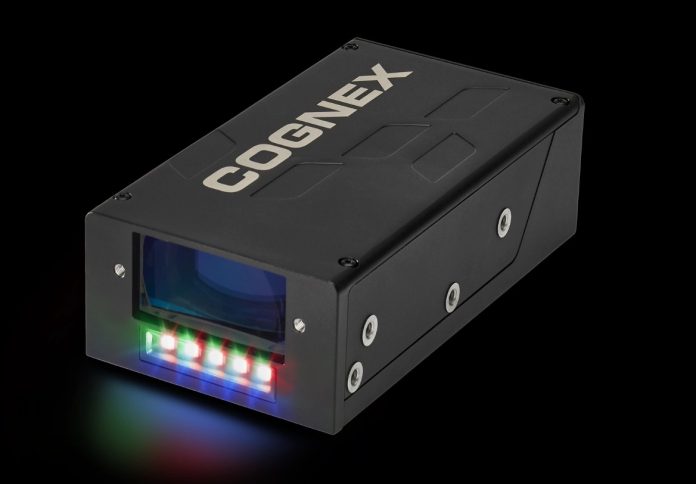
Cognex has launched a new wafer and panel identification system designed to help semiconductor manufacturers maintain production throughput and traceability as demand for advanced chips grows.
In a media release, the company said the In-Sight 1750 Series combines artificial intelligence (AI), advanced imaging and purpose-built illumination to read difficult wafer and panel markings, including degraded marks and challenging substrates.
According to Cognex, the system is intended to reduce production disruptions and operator intervention while supporting quality and process control across semiconductor fabrication and packaging operations.
“Investment in AI infrastructure is driving a new wave of expansion across the semiconductor industry,” Cognex President and CEO Matt Moschner said. “The In-Sight 1750 combines our latest AI technology with decades of semiconductor expertise to help manufacturers scale production without sacrificing quality or traceability.”
Cognex said missed wafer identification reads can contribute to production delays, additional work and lower equipment efficiency. The In-Sight 1750 is designed to address these challenges by improving the reliability of wafer identification in manufacturing environments where markings or substrate materials can be difficult to read.
The company said the system can also support higher equipment utilisation by helping manufacturers maintain throughput when processing challenging materials.
The In-Sight 1750 is designed to integrate with existing operations, with Cognex stating that current In-Sight 1740 users can convert jobs and upgrade without extensive redesign. A web-based setup interface is intended to simplify configuration, while built-in read logging supports quality and process control.
Cognex said the new system builds on its existing wafer identification technology and is intended to provide manufacturers with a transition path to its latest AI-enabled capabilities while minimising disruption to existing processes.