
A five-year CSIRO-led project is testing regenerative agriculture practices across South Australia, Victoria and New South Wales to assess how they could help grain producers manage increasingly dry and unpredictable conditions.
The Stress Testing Regenerative Agriculture Practices (STRAP) project aims to build evidence on farming approaches that could improve soil health, resilience and economic sustainability under a more constrained climate.
CSIRO Principal Research Scientist and project lead Dr Mark Farrell said the trials provided an opportunity to reassess farming systems across southern Australia.
“We have trials running in very different environments across the southern region. This gives us a real opportunity to redesign farming systems for a more constrained future which features less water, nitrogen and more stress,” Dr Farrell said.
The trials will examine intercropping, legumes as a nitrogen source, alternative fertilisers and the integration of pasture into cropping systems. Researchers will also assess soil health, greenhouse gas emissions, input use and economic risks.
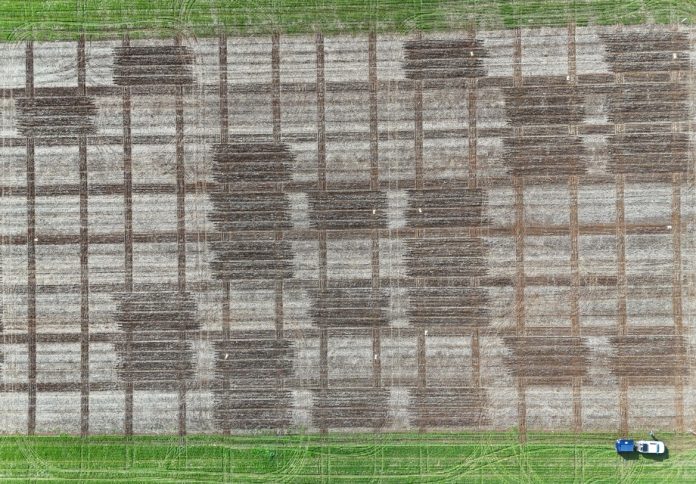
The project combines small-plot experiments with larger demonstration trials to compare results across different environments and help researchers estimate how practices may perform in areas where they have not yet been tested.
Dr Farrell said farming practices developed overseas could not necessarily be applied directly to Australian conditions.
“Assuming a practice from Europe’s fertile, humid farming systems will work in Australia’s dryland systems is just flat out wrong,” he said. “Our soils are older and more weathered, and our rainfall is far more variable. We need to build the evidence base here.”
The project was developed in response to questions raised by growers through local farming systems groups, coordinated by Ag Excellence Alliance.
Dr Penny Roberts, Research Manager at Mallee Sustainable Farming, said growers in areas with fragile soils and unreliable rainfall were seeking evidence on how to maintain soil cover while keeping farming systems economically viable.
“Our growers want to know how to best manage soils including ground covered year-round with systems that are economic and resilient in environments with limited moisture to work with,” Dr Roberts said.
CSIRO is also developing data systems linked to artificial intelligence and geospatial platforms to help researchers analyse trial results across multiple locations.
The STRAP project is funded by almost $8 million from the Australian Government’s Future Drought Fund Long-term Trials of Drought Resilient Farming Practices Program Round 2. It is being delivered by CSIRO in partnership with Ag Excellence Alliance and regional farming, research and agronomy organisations.