

The economic forces driving manufacturing’s next cycle
Australia’s manufacturing sector entered 2026 with improving momentum, but renewed global disruption is again testing resilience across the industry.
Behind the Australian Made logo: Six manufacturers shaping local industry
Australian manufacturers are continuing to invest in local production, innovation and sustainability across a wide range of industries. From textiles and packaging to construction and advanced manufacturing, Australian Made licensees are developing products tailored to local conditions while supporting Australian jobs and capabilities.
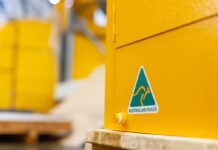
Australian Made highlights innovation and heritage across local industries
Australia’s manufacturing sector continues to highlight its role in supporting local industries, with organisations across sectors pointing to innovation, quality and local expertise as key drivers of long-term growth.
Responding to manufacturing demand and performance signals
Australian manufacturers are navigating a challenging environment. Just as output had returned to growth, higher fuel and freight costs, rising input prices and global supply chain disruption renewed pressure on margins and cash flow.
Future-ready manufacturing: How AI and cloud ERP are transforming supply chains
As manufacturers face growing supply chain disruption, rising costs and increasing operational complexity, artificial intelligence (AI), cloud ERP and connected digital systems are becoming essential tools for improving visibility, resilience and decision-making.
How AI-enabled cloud ERP is redefining growth for manufacturing leaders
Manufacturing leaders are entering a new phase of supply chain transformation, where growth is increasingly determined by how quickly and intelligently organisations can respond to change.
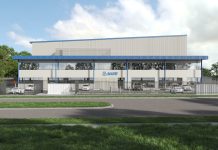
From Truganina to major projects: Mapei’s push to localise manufacturing in Australia
Global building materials manufacturer Mapei has commenced construction on a new $60 million manufacturing facility in Truganina, Melbourne, in a move the company says will significantly expand its Australian production capacity and strengthen its role in supporting major infrastructure projects.

Why manufacturers are embracing AI-powered smart supply chains
Manufacturers are facing an increasingly volatile environment, where rapid changes in demand, supply chain disruptions, and continued cost pressures are transforming the way products are planned, made, and delivered.
Manufacturing sector sees targeted support but no major boost in 2026–27 Budget, says advisory...
Australia’s 2026–27 Federal Budget has drawn a measured response from tax and advisory specialists, with commentary suggesting the package offers stability and targeted support for parts of the manufacturing sector, but falls short of delivering a broad-based uplift in business confidence across industrial and production-focused industries.

Australian Made Week 2026 celebrates local industry with handcrafted throne campaign
Sponsored content by Australian Made Campaign Limited
Australian manufacturing has found an unlikely new seat of power – a cheeky gold throne made from locally...






Featured Article
APS Industrial expands regional footprint with Control Technologies acquisition
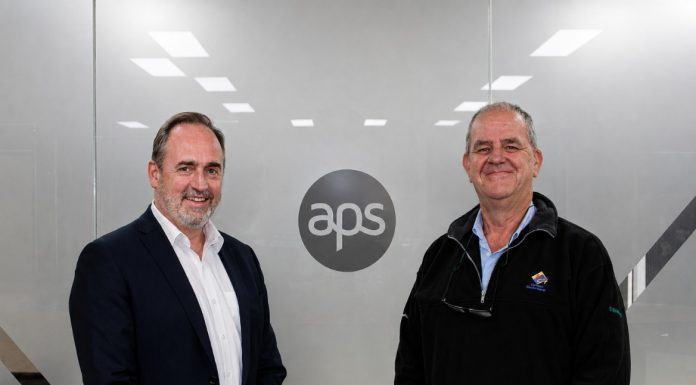
APS Industrial (APS) is expanding its regional presence through the acquisition of Albury-based Control Technologies, a move the industrial products supplier said will strengthen its local service capability and support further investment in warehousing, stockholding and technical support.