Engineers at RMIT University have developed a small remote-controlled robot designed to collect oil spills from the surface of water, using a filtration system inspired by sea urchins.
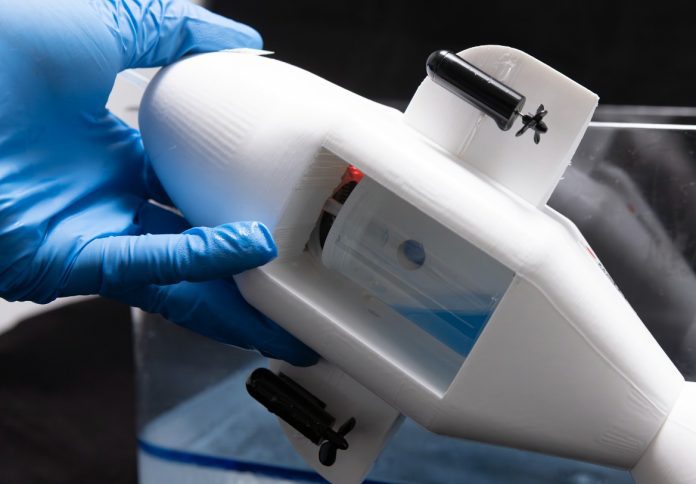
The proof-of-concept device, known as the “Electronic Dolphin”, is about the size of a sneaker and is shaped like a dolphin. It skims the water’s surface and collects oil through a specially designed filter that repels water while absorbing oil, allowing the robot to gather oil from slicks with high efficiency.
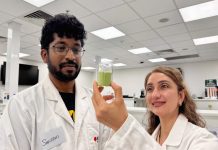
Lead researcher Md Ataur Rahman from RMIT’s School of Engineering said the project aimed to explore safer and more targeted approaches to oil spill response.
“Oil spills can take a huge environmental and economic toll. We wanted to create a system that can be deployed quickly, steered accurately and used in areas that are too risky for people to access,” Rahman said.
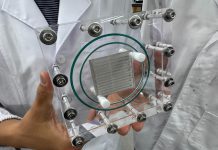
The robot houses a coated filter at its front, where a small pump draws oil into an onboard collection chamber. In controlled tests, the device recovered oil at about two millilitres per minute with more than 95 per cent purity, while maintaining performance without the filter becoming waterlogged.
The filter uses a specialised coating that forms microscopic spike-like structures similar to sea urchins. These structures trap tiny pockets of air that cause water to roll off while allowing oil to adhere to the surface, enabling the material to absorb oil without taking in water.
PhD researcher Surya Kanta Ghadei, who led much of the materials development, said the work was partly inspired by personal experience.
“Growing up in India, I saw the impact oil spills can have on marine life, especially turtles,” Ghadei said.
“When I began my PhD, I wanted to create something that could help responders act faster and keep wildlife out of danger.”
Rahman said the team ultimately hoped to develop larger, autonomous versions that could repeatedly collect oil and return to base to unload and recharge.
“We have a long-term vision of creating dolphin-sized robots that can vacuum oil, return to base to empty their tanks, recharge, then redeploy automatically – repeating the cycle until the job’s done,” he said.
The study, titled “Multifunctional superwetting sea urchin mimetic nanosheet based interface for remote oil–water separation”, has been published in the journal Small.