Construction and manufacturing are progressing on equipment designed to strengthen New South Wales’ electricity transmission network, with Transgrid announcing that enabling works have begun at key sites to support the installation of synchronous condensers as part of the state’s energy transition.
According to Transgrid, a total of 10 synchronous condensers will be deployed across five sites under the first phase of its System Strength Plan, following a NSW Government direction to accelerate procurement of the equipment as a Priority Network Infrastructure Project.
Transgrid said construction partners have been appointed to carry out enabling works, with activity already underway at the first two priority sites in Newcastle and Kemps Creek.
Transgrid Executive General Manager of Network Jason Krstanoski said Consolidated Power Projects (CPP) and UGL had been awarded contracts for the civil and building works required before the equipment can be installed.
“We are pleased to announce that Consolidated Power Projects (CPP) and UGL have been awarded contracts for the civil and building works to enable installation of the synchronous condensers,” Krstanoski said.
“By engaging two experienced delivery partners, we can progress works across multiple sites in parallel, helping ensure we meet the required timeframes to maintain system strength as the energy transition accelerates.”
CPP will deliver enabling works at Transgrid’s Newcastle, Kemps Creek and Armidale substations, while UGL will undertake works at Wellington and Darlington Point. Transgrid said the works are expected to take between 12 and 14 months at each site and include earthworks, major foundations, underground services and the construction of buildings to house electrical and communications systems.
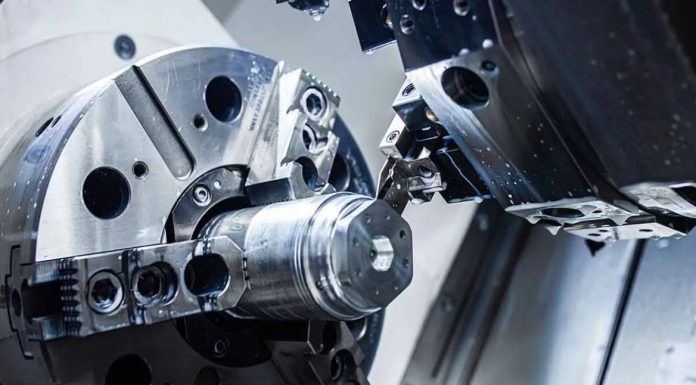
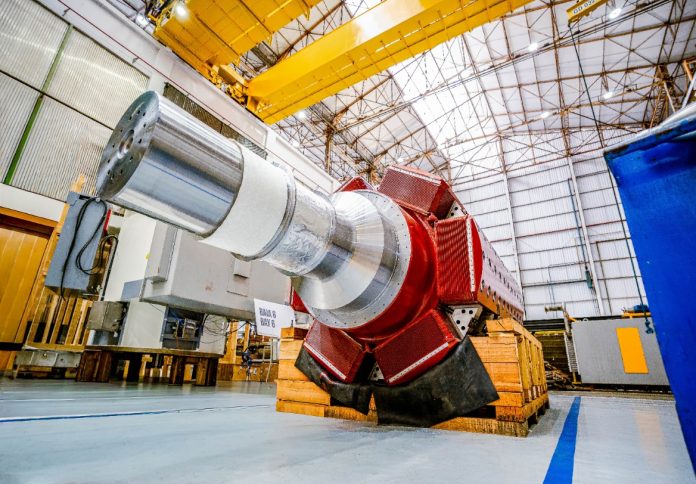
The company said manufacturing of the synchronous condensers is also underway. Transgrid representatives recently visited GE Vernova’s manufacturing facility in the United Kingdom to inspect production of the first unit.
“Our team walked the production line from early manufacturing through to assembly and testing, giving them clear visibility on quality processes, and how designs are being turned into real infrastructure, building confidence in manufacturing quality and readiness,” Krstanoski said.
“They also reviewed GE Vernova’s delivery and installation processes to gain insights for this project.”
Transgrid said GE Vernova is expected to begin shipping the synchronous condensers to Australia from mid-2027, with installation to follow. The units are scheduled to be progressively commissioned, with all 10 targeted to be energised by February 2029 in line with the Priority Network Infrastructure Project timetable.
GE Vernova Power Conversion & Storage Business Leader Ed Torres said the site visit further strengthened collaboration between the two organisations.
“We are actively managing our supply chain and logistics to support the project schedule, while continuing to build our on-the-ground capability in Australia,” Torres said.
“We’ve made significant progress in recruiting local expertise and will continue expanding our field service and project delivery teams to support successful installation and commissioning.”