Western Australia’s strong fiscal position is giving the State room to invest in long-term economic capacity, including housing infrastructure, advanced manufacturing facilities and major infrastructure projects, according to commentary released by the UWA Public Policy Institute following the 2026–27 WA Budget.
The institute said the Budget arrives amid global uncertainty driven by inflation, conflict, fuel prices and interest-rate pressures, despite favourable revenue conditions tied to the State’s resources sector.
It noted that while WA’s history of boom-and-bust cycles linked to Chinese demand and ongoing uncertainty around GST arrangements have prompted questions about stronger fiscal restraint, the focus should instead be on whether current spending prepares the State for structural economic challenges.
WA recorded an eighth consecutive operating surplus of $3.5 billion in 2025–26, with further surpluses forecast across the forward estimates. Net debt remains at 7.1 per cent of gross state product, while WA continues to hold triple-A credit ratings from both major agencies.
According to the institute, the Budget makes “a credible case” for using the State’s fiscal strength to support economic diversification, decarbonisation, training and employment. Around $1 billion in new initiative spending has been allocated toward those priorities, alongside a $44.3 billion infrastructure pipeline over four years.
The commentary also highlighted the Government’s $4.7 billion housing package, which includes funding for land supply, home construction and first-home buyer assistance.
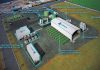
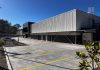
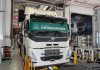
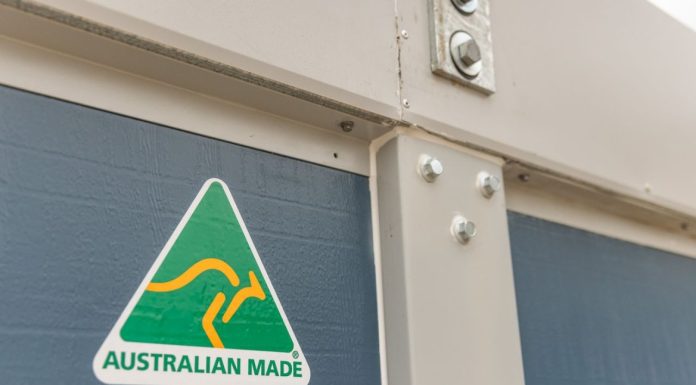
Measures include a $250 million Pre-Sale Guarantee, Housing and Infrastructure Advanced Manufacturing Facilities, METRONET station precinct projects and Commonwealth-backed infrastructure funding.
An additional combined State and Commonwealth investment of $1 billion through the Housing Australia Future Fund and Asset Investment Program is expected to deliver 1,426 dwellings by 2029, contributing to more than 9,800 social and affordable homes committed since 2021.
However, the institute said housing supply constraints remain a challenge, with the social housing waitlist exceeding 20,000 and population growth continuing to place pressure on the market. It cautioned that extending stamp duty exemptions and concessions for first-home buyers could add upward pressure on prices in lower-priced segments.
The Budget also includes $298 million in targeted cost-of-living measures for low-income households, carers and concession holders, including student assistance payments, energy bill relief, transport subsidies and rental support.
The institute said the Government “should be commended” for continuing support for those most affected by cost-of-living pressures, though it questioned the broader Fuel Support Payment for all driver licence holders, suggesting more targeted assistance may have been more effective.
On disability policy, the commentary said the Budget signals a clearer direction but leaves unresolved questions around long-term funding and workforce requirements linked to NDIS reforms and foundational supports. It described the rebuilding of state disability capacity as “the defining test for the budgets that follow”.
The institute concluded that the Cook Government is continuing its economic transformation agenda under favourable conditions, but said the long-term success of the Budget would depend on how effectively WA responds to housing pressures, disability reform and cost-of-living challenges in the years ahead.