A venture from No Wrap is positioning itself as a cheaper, reusable alternative to single-use plastic pallet wrap, with its system designed and manufactured in Victoria as pressure builds on supply chains to reduce plastic waste.
The company was founded by Benjamin Young, also known for building reusable consumer brand frank green, and is targeting what it describes as a global packaging market heavily dependent on single-use materials.
According to the company, Australian businesses use around 100,000 tonnes of plastic pallet wrap each year, with about 95 per cent discarded after a single use.
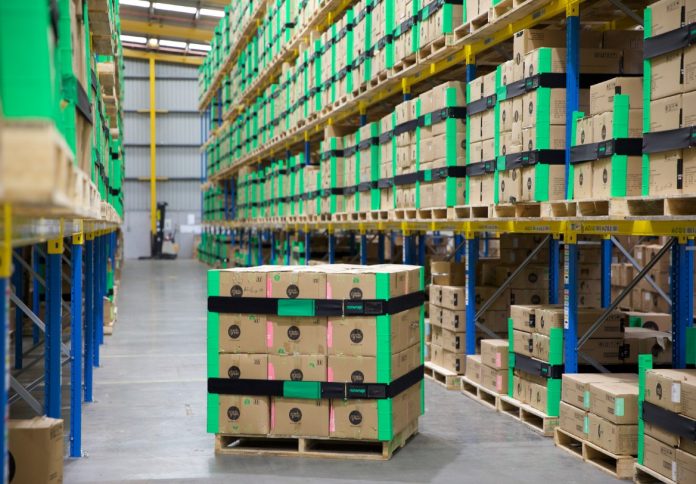
Young said the new modular system, which uses reusable corner brackets and high-tension straps compatible with existing pallets, was developed to address both environmental and operational inefficiencies in logistics.
“My vision is to make single-use plastic pallet wrap extinct,” Young said.
He said most goods transported through retail, healthcare, and supermarket supply chains rely on pallet wrapping, but the environmental cost was escalating. “Almost everything we buy in retail, healthcare, supermarkets or department stores is at some point transported on a pallet and the boxes are secured in position using plastic wrap,” he said.
“Single use plastic wrap is growing every year in Australia by about 3 per cent and globally creates about 6 million tonnes of waste, which is obviously unsustainable,” Young noted. “This is not just a plastic wrap replacement. It’s the future operating system for sustainable logistics because it simply makes sense and is cheaper, faster and safer than plastic wrap.”
No Wrap said its system has been endorsed by Sustainability Victoria and is being positioned as a manufacturing-led solution at a time when supply chain costs are under pressure from rising input prices, including oil-based plastics, which the company said have increased by about 25 per cent in recent months.
Young stated the shift away from single-use plastics was increasingly being driven by regulatory and financial pressures as much as environmental concerns.
“In Australia and overseas climate-related disclosures are now a systemic business risk,” he said.
He pointed to mandatory climate-related financial reporting and broader ESG requirements, arguing that companies are increasingly required to account for emissions and material usage, including plastics, within financial reporting frameworks.
Under Australia’s National Greenhouse and Energy Reporting (NGER) framework, large emitters must report emissions data to the Clean Energy Regulator, with penalties for non-compliance reaching up to $444,000 per breach.
“In the coming 12–24 months, Scope 3 readiness will define your access to major customers, contracts, and possibly capital. Failing to act is no longer just non compliance – it’s commercial negligence,” Mr Young said.
At frank green, Young said internal use of the system had already eliminated an estimated seven tonnes of plastic wrap annually at its Dandenong South warehouse, while also reducing handling time and workplace risks associated with cutting and disposing of plastic film.
“We removed plastic wrap from our business and cut minutes of wrapping time per pallet,” he said. “Our operations team prefer it because it’s easier and safer, because there are no cutters – and our waste bins stay empty.”