Weld Australia has expressed support for the Cairncross Dockyard redevelopment in Brisbane, describing the project as a potential model for strengthening Australia’s sovereign capability and manufacturing workforce development.
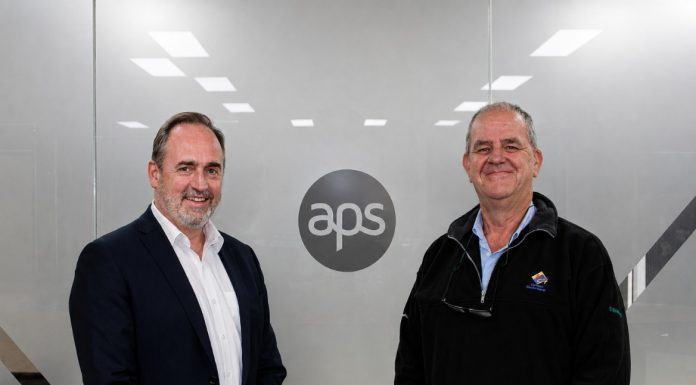
In a news release, the industry body said its executives were recently invited to a briefing at the Cairncross Dockyard alongside Federal Minister for Skills and Training Andrew Giles and Member for Griffith Renee Coffey, where discussions focused on the reactivation of the shipyard.
Backed by private investment of $2.5 billion and designated a prescribed project by the Queensland Government, the Cairncross Dockyard Brisbane Project is expected to generate more than 1,000 direct jobs, with additional employment supported across manufacturing, steel fabrication and logistics. The redevelopment aims to re-establish the Morningside site as a ship sustainment hub capable of supporting Defence maritime activities.
Weld Australia chief executive Geoff Crittenden said the project reflects an approach that aligns engineering, production and workforce development to address ongoing industrial and skills challenges.
“What is being developed at Cairncross is a practical blueprint for how Australia should approach complex industrial delivery,” Crittenden said. “The alignment between engineering design, weld execution, automation and workforce capability is smart, scalable and exactly what is needed to support national infrastructure, maritime sustainment and Defence-aligned work.”
According to Weld Australia, a key feature of the project is its integration of welding procedure requirements with workforce training outcomes. The model includes structured training and certification of welders to ISO 9606-1 standards, with the aim of accelerating job readiness.
“Australia’s welding and fabrication workforce challenges are well known. Cairncross is demonstrating a practical solution,” Crittenden said. “By linking procedure qualification directly to welder training and certification, the project is creating a workforce model that is faster, more targeted and better aligned to real production needs.”
Weld Australia said the approach could have broader application across Defence, maritime and heavy industry sectors, where labour shortages and capability gaps continue to affect project delivery.
“The Cairncross project demonstrates that when engineering, production planning and workforce development are connected from the outset, you can build capability in a way that is both commercially realistic and strategically valuable,” Crittenden said.
He added that the scale and private backing of the project contribute to its relevance as a case study for future industrial development.