Home Blog
Beyond insights: How CRM solutions are transforming the manufacturing industry
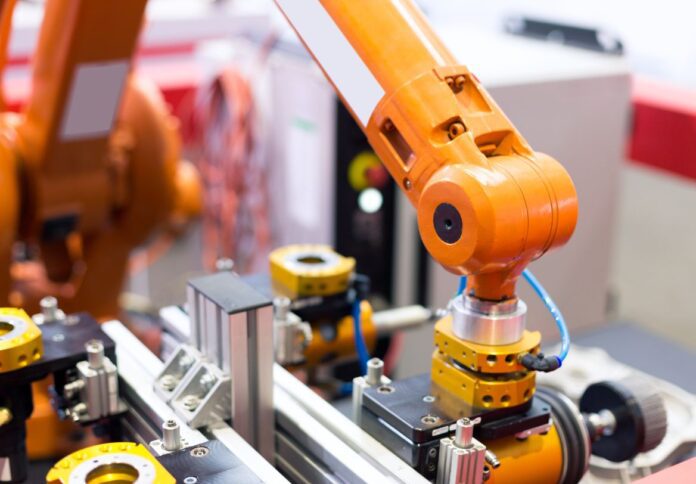
The global manufacturing sector is witnessing a seismic shift in its automation approach as companies worldwide, big or small, grapple with the ongoing labour shortage and skills gap within the industry.
Manufacturers urged to strengthen critical supply chain links amid disruption risks – Proxima
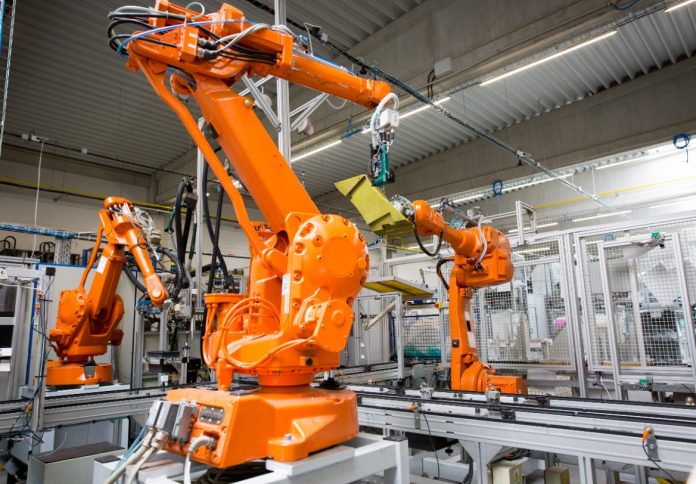
Australian manufacturers should focus on identifying and strengthening the parts of their supply chains most capable of disrupting production and revenue, according to Proxima Australia.
ARENA backs Australian manufacturing of hydrogen electrolysers with $49M funding

Australian manufacturing of hydrogen electrolysers is set to expand under up to $49 million in funding from the Australian Renewable Energy Agency (ARENA) for a commercial-scale facility at Port Kembla, New South Wales.
APPEX 2027 registrations open as manufacturing expo expands in Melbourne
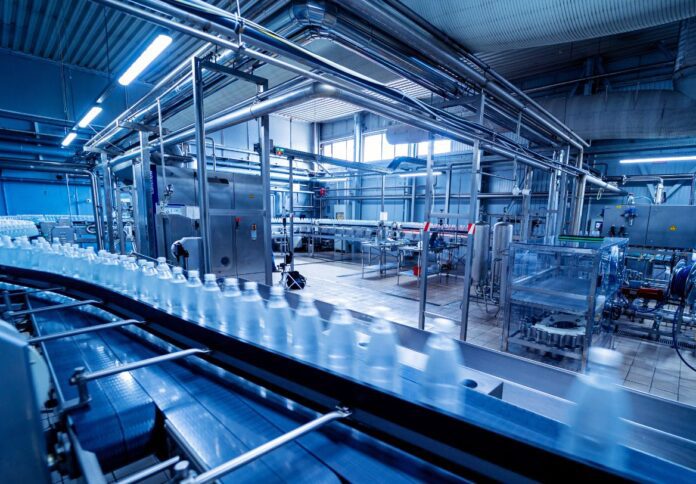
Manufacturing technology will take centre stage at APPEX 2027, with registrations now open for the processing and packaging exhibition to be held at the Melbourne Convention and Exhibition Centre (MCEC) from 16 to 19 March 2027.
Queensland critical minerals supply chain gains US backing
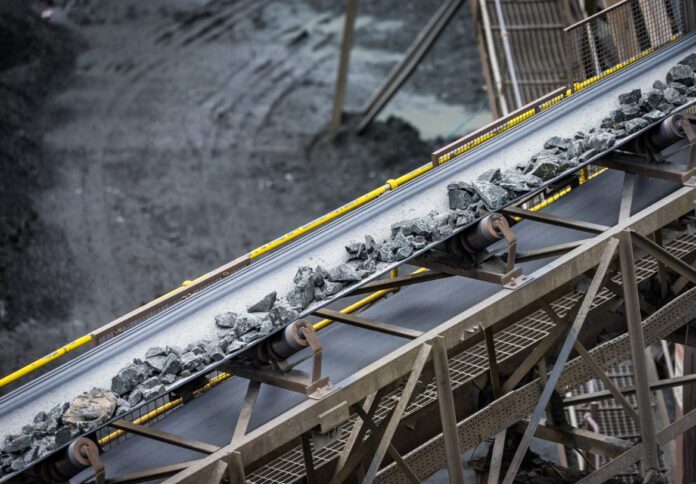
The Queensland Government has welcomed an offtake agreement that will see US tin refiner Nathan Trotter & Co purchase up to 100 per cent of production from Huntore Australia’s Mount Garnet polymetallic operation in far north Queensland.
Autodesk expands AI capabilities across manufacturing workflows

Manufacturing teams could use expanded artificial intelligence (AI) capabilities to automate repetitive tasks and connect product data across the lifecycle, according to Autodesk.
Brickworks products recognised in Think Brick Awards
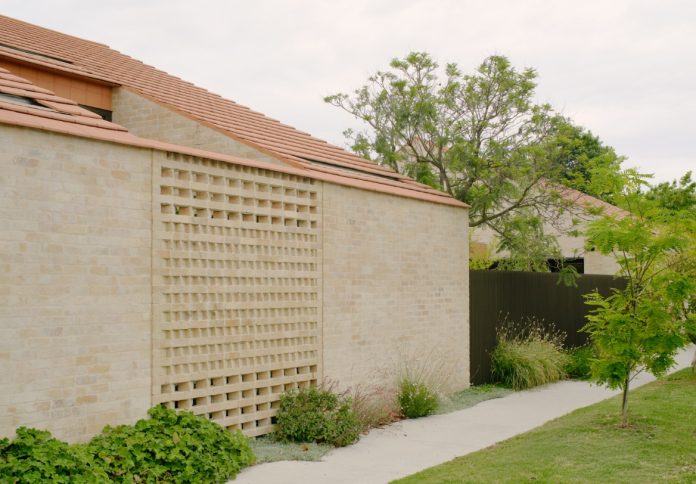
Brickworks products have been recognised across two projects at the 2026 Think Brick Awards, an annual Australian architecture program covering brick, block, paver and roof tile design, according to the company.
IperionX validates continuous titanium production through GenX platform
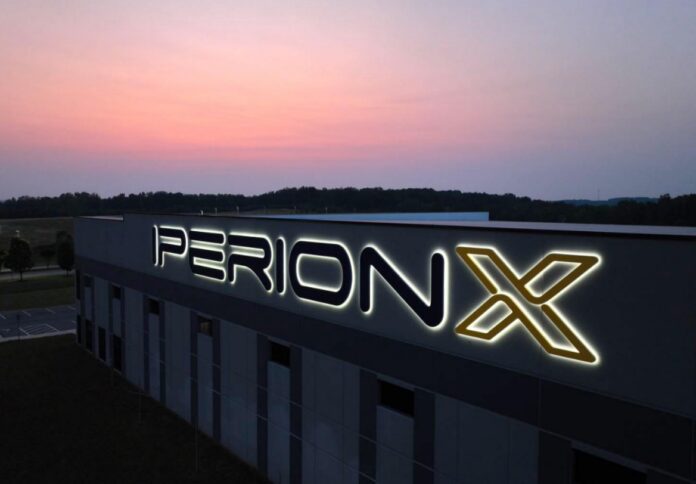
IperionX has validated its GenX™ continuous titanium production platform after completing four production campaigns at its Virginia research and development facility, with the company reporting higher throughput and lower resource consumption than its batch HAMR™ process.
UNSW technology turns regional hotel into community power plant
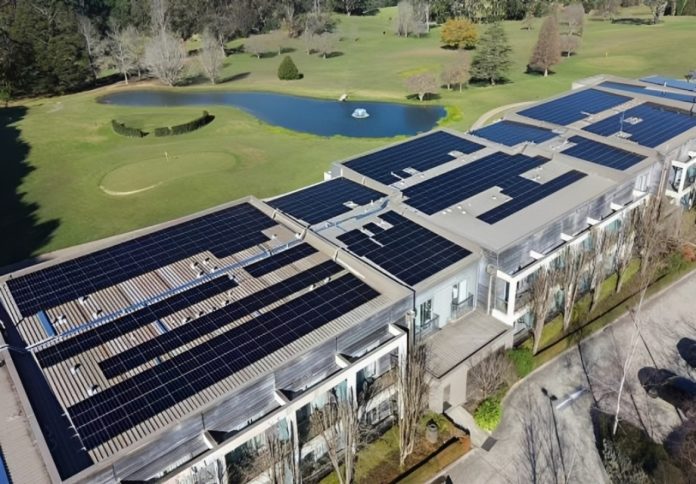
A regional hotel in Bowral is set to trial a new community energy model combining rooftop solar, battery storage and artificial intelligence, as part of a $4 million project led by UNSW Sydney.
Manufacturing workforce demand to grow by 91,300 by 2035, plan finds
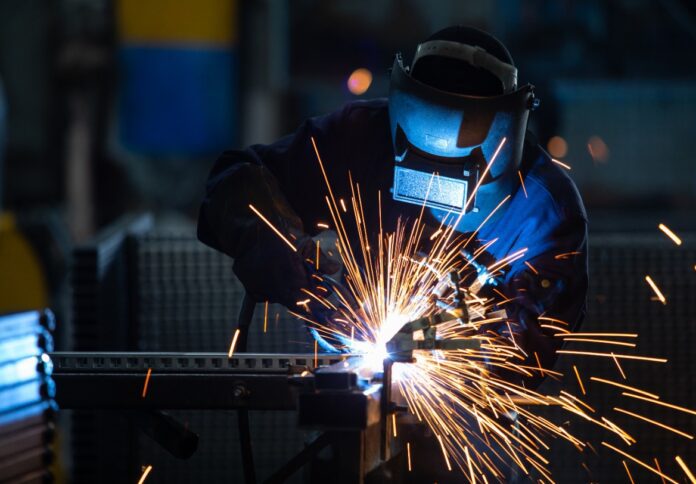
Australia’s manufacturing workforce is projected to grow by 91,300 workers by 2035, while skills shortages continue across 12 occupations critical to the industry, according to the Manufacturing Industry Skills Alliance’s 2026 National Manufacturing Workforce Plan.
GMG starts up second-generation graphene manufacturing plant
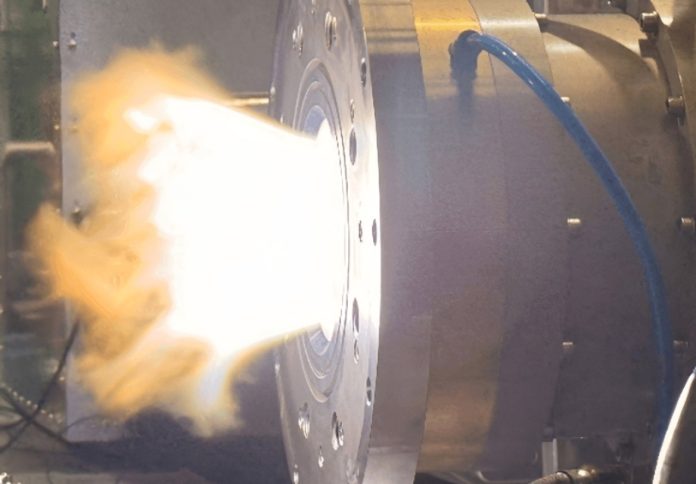
Graphene Manufacturing Group (GMG) has started up its Generation 2.0 Graphene Manufacturing Technology Plant in Queensland, with the facility expected to produce up to 10 tonnes of graphene annually once remaining works and optimisation are completed.







Featured Article
Manufacturers should do this sooner rather than later, says precision engineer
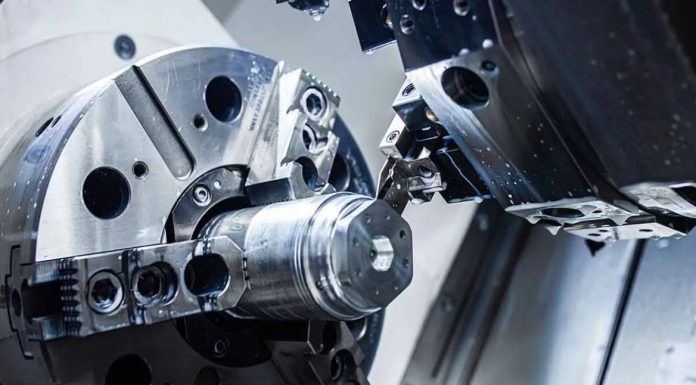
Australian precision engineering and industrial instrumentation company CENMAC implemented ERP software when it was still a one-man operation. “I couldn’t imagine us growing to this size without MRPeasy,” says Jason Ford, Founder.