
A new global study commissioned by IFS has found that energy and utilities organisations are placing greater emphasis on grid resilience, reliability and affordability alongside longer-term sustainability goals.
The research, conducted by Censuswide among 850 C-level and senior utility executives, found that aging infrastructure, affordability pressures, extreme weather and rising electricity demand are influencing investment priorities across the sector.
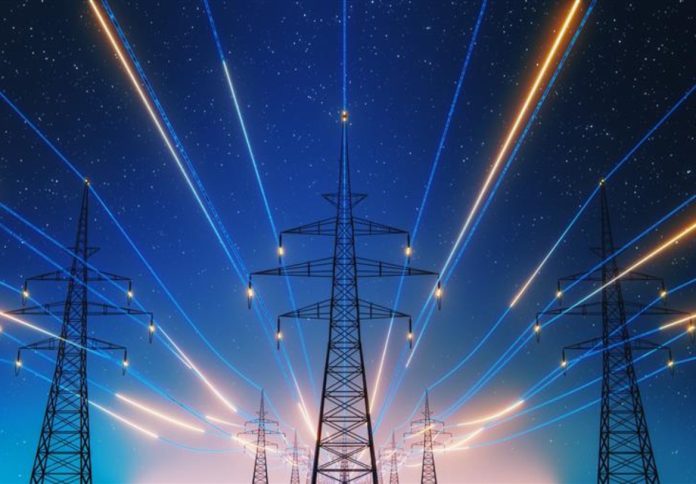
According to the IFS report, hardening existing grid infrastructure against extreme weather events and cyber threats is now among the most critical operational priorities for utility leaders. Some 26% of respondents said they are actively re-evaluating asset portfolios to prioritise investment in existing grid infrastructure.
“The pendulum in the energy sector has swung fast. Sustainability continues to be a critical objective for utilities, but evolving operational and geopolitical realities are driving a more balanced investment agenda,” said Carol Johnston, VP of Energy & Utilities at IFS.
Johnston said decades of under-investment, combined with aging infrastructure and regulatory pressures, have created a need to address reliability, resilience and affordability at the same time.
The research also points to a growing role for artificial intelligence in utility operations. Some 57% of respondents said AI is critical for reducing operational costs, while 47% identified it as critical to optimising asset performance and managing demand associated with electrification.
However, the report found that data and technology silos remain a barrier to wider adoption. Nearly half of respondents, or 49%, said operational data silos hinder real-time decision-making. Only 33% described their asset lifecycle management capabilities as advanced, while 51% said their asset management systems operate in silos with limited predictive capabilities.
“Utilities cannot invest their way out of today’s challenges through new infrastructure alone,” Johnston said. “Addressing growing demand and affordability pressures requires a balanced strategy that gets more from existing assets while making smart investments in new capacity, grid modernization, and resiliency.”
The report also identifies battery energy storage systems and distributed energy resource management systems as areas of growing interest as utilities seek greater flexibility in managing demand and prolonged outages.
Looking further ahead, 22% of utility leaders surveyed identified advanced geothermal energy as having the greatest potential long-term impact on securing continuous clean baseload power, while 18% selected small modular reactors. Meanwhile, 46% said AI is critical to accelerating the integration of renewable and distributed energy resources.
IFS said the findings indicate that digital transformation in the utilities sector is increasingly being assessed against operational outcomes such as grid uptime, customer experience and regulatory compliance, rather than technology adoption alone.