The Western Australian Government says a $48 million investment in advanced manufacturing facilities will support faster housing delivery and improve productivity in the construction sector.
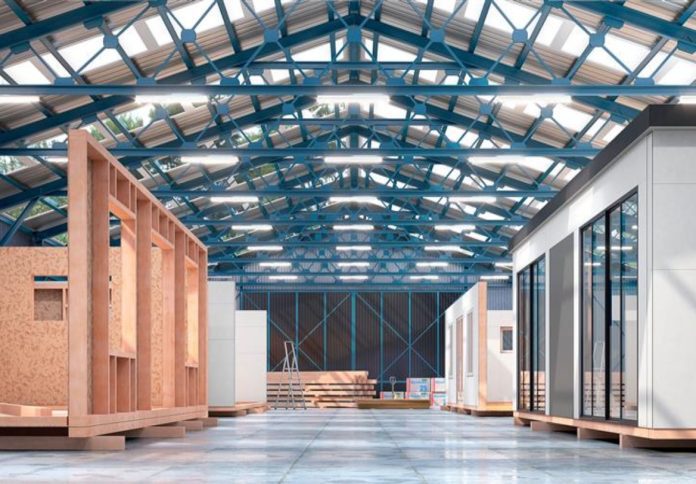
Announced as part of the 2026–27 State Budget, the funding will support Built Living and Atlas Precast to establish and expand housing and infrastructure manufacturing facilities in Neerabup and Kwinana.
The government said the projects are intended to lift local capacity to deliver medium- and high-density housing more efficiently.
The WA Government stated the investment forms part of its broader priority to increase housing supply, with the facilities expected to enable faster construction timelines and lower costs through prefabrication methods.
It cited overseas examples suggesting large-scale prefabrication can deliver apartments at around 20 per cent lower cost and up to 50 per cent faster than traditional construction, though outcomes in Western Australia will depend on local conditions.
Premier Roger Cook said the initiative aligns with the government’s housing objectives. “My government’s priority is ensuring every Western Australian has a home, and that’s exactly what our upcoming Budget will deliver,” he said.
“By investing in innovative ways of building, we will not only accelerate the construction of medium-and-high-density housing in WA, but potentially help deliver major infrastructure projects, too.”
Under the plan, both companies are expected to receive incentive payments of about $20 million each, alongside additional support including utility connections. Built Living will also receive a five-year rent-free lease at its Meridian Park site.
Construction of the Built facility is scheduled to begin in the second half of 2026, subject to approvals, with completion targeted for early 2028.
The project is expected to support around 150 construction jobs and 150 ongoing roles. Atlas’ expanded facility is expected to begin operations in late 2027, with 125 construction jobs and 75 ongoing positions anticipated.
Treasurer Rita Saffioti described the development as a shift in how housing could be delivered in the state. “This is a game changing development for our housing industry. It’s a whole new way to deliver homes in Western Australia,” she said.
“Prefabrication helps drive down costs and ease workforce pressures, especially in regional WA, so we can build more homes, faster.”
The government said both facilities are expected to increase production in 2028–29, with capacity reserved for housing and essential infrastructure projects, including social and affordable housing. However, the scale and timing of delivery will depend on project pipelines and approvals.
Housing and Works Minister John Carey said the investment builds on existing programs supporting alternative construction methods.
“This $48 million investment will build on those efforts, growing our State’s capacity to deliver prefabricated density projects, in partnership with two respected companies,” he said.
Manufacturing Minister Amber-Jade Sanderson said the initiative also aims to strengthen local industry capability.
“Improving local manufacturing capability means we can deliver what Western Australians need faster — whether that’s homes or hospitals,” she said.
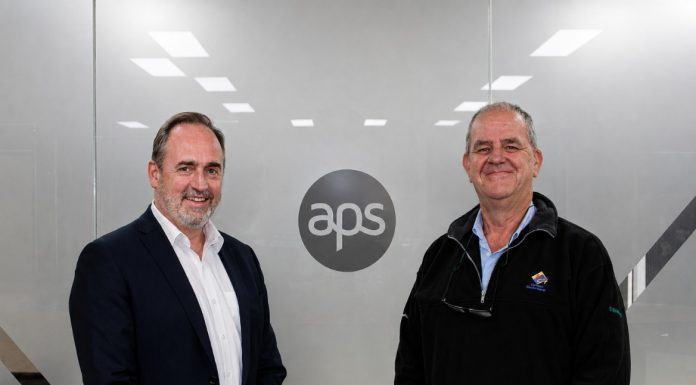
Industry representatives welcomed the funding, while highlighting the role of scale and technology. Built Living CEO Dale Connor said the company had drawn on international models.
“Across the world’s leading apartment markets, offsite manufacturing of high-quality construction elements is delivered at scale,” he said. “Western Australia is the ideal launch point for our national platform.”
Atlas Building (WA) director Julian Ambrose said the investment would allow the company to expand output. “By 2028, this facility will have the capacity to produce at least 9,400 apartment equivalents a year,” he said.
The WA Government said the initiative complements its $50 million Housing Innovation Fund and other programs aimed at increasing housing supply and supporting modern construction methods, though the overall impact will depend on market uptake and delivery timelines.