




Productivity Frontiers : Internet of Things – Industrial Revolution 4
Australian manufacturing has lessons to learn from Germany in enhancing its manufacturing excellence to the next level. This will include giving an ear to...

How to choose a micro moulding partner
Article by Aaron Johnson, VP of Marketing and Customer Strategy, Accumold
For companies that are exploring the possibilities that exist for miniaturization of plastic parts...

Manufacturing-from-home the only option for some small businesses in COVID-era
Article by Edwina Cameron, Owner of I Heart Wall Art
The number of people working from home has increased world-wide since the COVID-19 pandemic took...

Industry 4.0: Navigating Disruptive Technologies in Manufacturing
Advanced technologies and services can have a transformative effect in cost, product quality and productivity, substantially increasing the bottom line for manufacturing companies.

Queensland to boost its supplies of PPE through expanded bulk storage site
Premier Annastacia Palaszczuk announced today that the government will boost Queensland’s supplies of personal protective equipment by tens of millions of pieces through a...

Why IIoT monitoring in manufacturing will improve the bottom line
Manufacturing businesses have a strong incentive to improve their financial bottom line and return on investment, cut labour costs and increase productivity. To do this, organisations need to not only invest in IIoT technology, but they also require software to manage and monitor their networks.
Micro-Molding – no substitute for experience
Aaron Johnson, VP of Marketing and Customer Strategy, Accumold
Micro molding has been a key technology assisting OEMs as they strive for smaller and smaller...

Made in Australia – Kickstarting a resilient local IT Supply Chain is critical
Article by Phil Straw, Chief Executive Officer at SoftIron
The world has been through a fundamentally transformative time that has demonstrated the fragility of supply...

Ways that manufacturers can monetise data
The rise of digitalisation and automation in manufacturing is resulting in the generation of a colossal volume of data. Previously, businesses would gather data (often manually) across the

Five ways manufacturers can fight back against cyber criminals
Today's factories are complex, data driven environments. Whether that data is used to manage a process or monitor the performance of an industrial robot or machine, protecting information, plans and schematics is crucial. The impact of cyber-attacks on manufacturing environments can be significant and multi-layered.







Featured Article
Modular switchgear built for faster, verified panel builds
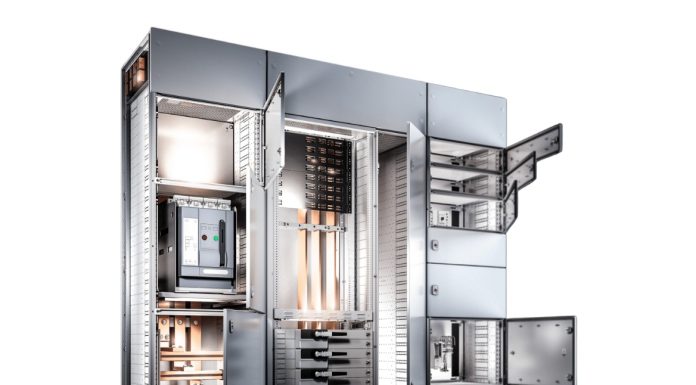
As switchboard builders face tighter programmes and increasing scrutiny around compliance, the way enclosure, busbar and separation concepts work together has a direct impact on build time and verification effort.