
Australian businesses are being urged to strengthen spare parts supply chain resilience amid renewed geopolitical and logistics disruptions, with automation company Dematic warning that many organisations may have prematurely scaled back contingency planning since the COVID-19 pandemic.
In a statement, Dematic said recent pressures across global shipping routes, tariff regimes and trade corridors are again exposing vulnerabilities in how critical spare parts are sourced, stored and delivered, with delays in even single components capable of halting entire operations across multiple industries.
“Too many businesses treated supply chain resilience as a pandemic project rather than a permanent discipline,” said Terry Jamieson, Business Development Manager at Dematic Asia Pacific.
“The disruptions haven’t stopped… The next event is always coming. Spare parts are where that risk shows up fastest, because when a critical component isn’t available… the whole operation stops.”
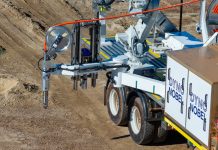
The company pointed to impacts being felt across sectors, including agriculture, aviation, mining and manufacturing, where delays in sourcing parts for tractors, aircraft, haul trucks and production lines are contributing to extended downtime and cascading operational costs beyond the value of the component itself.
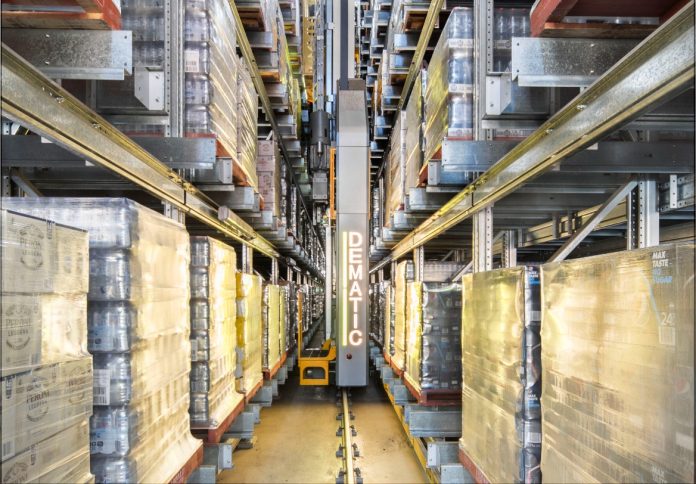
Dematic said organisations should treat spare parts as a strategic capability rather than a procurement function, recommending greater inventory visibility, identification of single-source dependencies, and increased use of automation and data-driven forecasting to better anticipate failures and manage stock levels dynamically.
“Resilience in your business and operations is about having the capacity to store the full range of spare parts to cover any disruptions, with the flexibility to add more parts as your product range expands,” Jamieson said.
“It’s having full visibility of that inventory, and being able to pick and deliver parts fast and with complete accuracy.”
The company added that recent global events, including canal disruptions, tariff shifts and broader geopolitical tensions, highlight what it describes as a “permanent state of disruption” in global logistics, with businesses encouraged to act during stable periods rather than waiting for the next crisis to emerge.