The rapid expansion of Australia’s data centre sector is increasing pressure on global supply chains for high-voltage electrical equipment, according to Hitachi Energy, which says stronger coordination and earlier planning will be needed to avoid delays to major infrastructure projects.
Speaking at the Energy Needs of Data Centres Australia conference in Sydney, Hitachi Energy Australia Managing Director Bernard Norton said demand for electricity infrastructure was rising alongside growth in artificial intelligence (AI), the energy transition, and the electrification of transport and industry.
“The challenge for data centre developments is not just energy; it’s also the supply of the high voltage equipment needed to power the sector,” Norton said.
According to Hitachi Energy, the Australian market for data centre electricity equipment has tripled over the past three years and is projected to reach US$9 billion by 2031.
Norton said the expansion of data centres was occurring at the same time as increased demand for electrical equipment from other sectors.
“The market size for data centre equipment in Australia has tripled over the past three years and it’s expected to reach US $9 billion by 2031,” he said.
“This growth is coinciding with the extra demand from the energy transition and the electrification of transport and industry.
“It’s creating the perfect storm for supply chains. If we want to avoid long delays to data centre development and critical electricity projects, we need to change the way we do things.”
Hitachi Energy said the emergence of larger AI-focused data centres was contributing to higher infrastructure requirements.
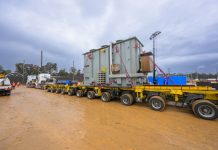
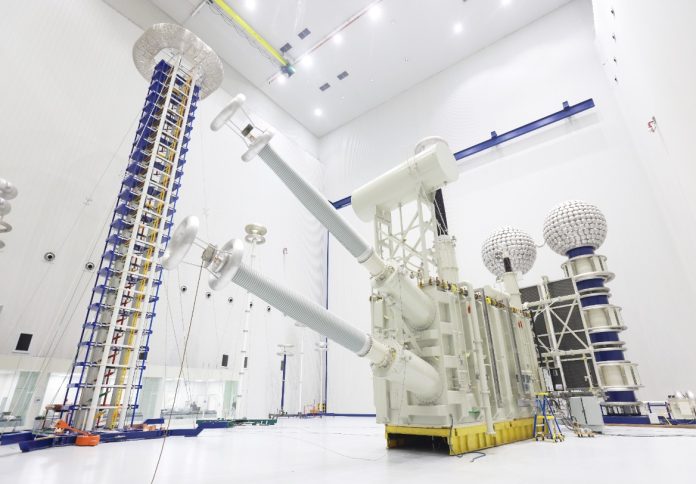
According to the company, new AI facilities are around five times larger than existing data centres and can require dedicated transmission substations, with each facility needing approximately four large power transformers weighing more than 200 tonnes each.
The company said a substation of this size would have the capacity to supply around 100,000 homes.
Hitachi Energy also estimates that around 1,400 high-voltage transformers will be required globally by 2030 to support new data centre developments.
Norton said manufacturing timelines for high-voltage transformers had increased significantly as demand for the equipment had grown.
“High voltage transformers take time to construct. Lead times for this equipment has increased significantly due to the global energy transition – it’s basically doubled,” he said.
He said Hitachi Energy had invested $1.5 billion as part of a broader expansion of its transformer manufacturing capacity, but noted that much of the additional production capacity had already been allocated.
“As part of a multi-billion dollar expansion program, Hitachi Energy has invested $1.5 billion to expand electricity transformer manufacturing and production, but much of that extra capacity is already committed,” Norton said.
“The supply side crunch is felt equally across other equipment classes. The risk is that AI growth is increasingly constrained not by computing technology, but by power infrastructure.”
To help address potential bottlenecks, Norton said developers, electricity providers and technology companies should engage earlier in project planning and adopt longer-term procurement approaches.
“We need earlier coordination, better forward planning and smarter procurement between the developers, the energy sector and technology providers to prevent the bottlenecks,” he said.
“Early conversations are focussing on a ‘program of works’ rather than individual projects, manufacturing slot availability, and long-term partnerships.”
“This helps drive certainty for projects and certainty for manufacturers, increasing bankability for projects and bankability for additional expansion.”