The Western Australian Government has announced a $17.8 million investment in its 2026–27 State Budget to expand the State’s capacity to recycle solar panels and embedded batteries, in a move it says will support environmental protection while also strengthening local manufacturing and resource recovery capability.
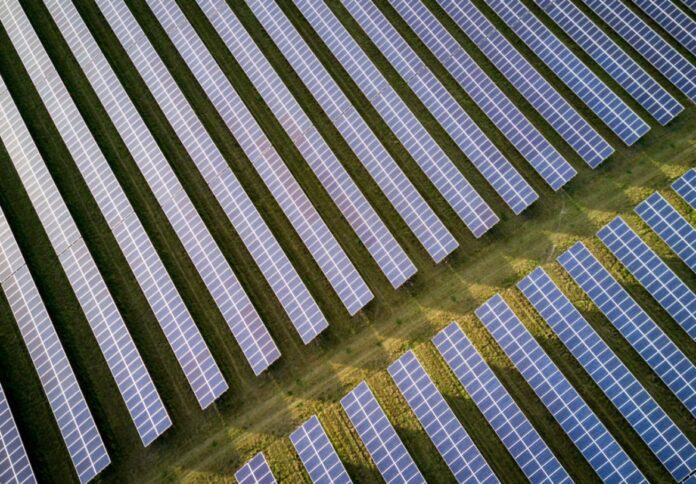
Under the Cook Labor Government’s “Remade in WA” initiative, $13 million will be used to establish collection, transport and processing pathways for end-of-life solar panels from households and solar farms, aiming to reduce landfill and recover valuable materials.
A further $3 million will support local governments to roll out embedded battery collection at facilities, including batteries found in eRideables and household devices, while $1.8 million will go towards ongoing program delivery.
The Western Australian Government said the initiatives are designed to support a more circular economy approach, with an emphasis on building local capability that could underpin future recycling and materials processing activity.
The government said the investment would also help lay “the foundations for a new local recycling industry” by encouraging private sector participation and retaining more value from clean energy infrastructure within the State.
Environment Minister Matthew Swinbourn said the funding is intended to reduce environmental pressure while improving waste management systems.
“This investment is about protecting and restoring our environment so future generations can continue to enjoy Western Australia’s unique landscapes,” he said, adding that the programs aim to “reduce waste to landfill, recover valuable materials, and improve how we manage complex waste streams like solar panels and embedded batteries.”
Energy and Decarbonisation and Manufacturing Minister Amber-Jade Sanderson said the initiative reflects growing demand for end-of-life infrastructure solutions as renewable uptake increases.
“As WA moves towards becoming a global clean energy powerhouse, this investment will ensure we are prepared for the future,” she said, noting it is “good for local jobs, good for local businesses and good for our environment.”