Workspace Commercial Furniture has launched a national furniture take-back initiative aimed at extending manufacturing beyond the production stage by recovering, refurbishing and recycling commercial furniture at the end of its first life.
In a news release, the Australian manufacturer said its new Workspace Circular Solutions program is designed to provide businesses, builders, project managers and government agencies with a pathway to recover unwanted commercial furniture rather than sending it to landfill.
The initiative accepts furniture regardless of its original manufacturer and assesses whether products can be refurbished, repurposed or recycled.
Workspace said the program represents the next stage in the company’s evolution rather than a change in direction, building on more than 115 years of commercial furniture manufacturing in Australia.
Workspace Commercial Furniture chief executive officer Tom Clark said customer expectations around product lifecycle management had shifted in recent years.
“We’re having different conversations with clients than we were five or ten years ago,” Clark said.
“It’s no longer just about buying furniture. Organisations want to know what happens when that furniture reaches the end of its useful life, particularly as they’re reporting against ESG commitments and looking for practical ways to reduce waste.”
Following an on-site assessment, Workspace said it recommends a recovery pathway based on the condition of the furniture, the materials involved and the client’s objectives. Furniture considered suitable for refurbishment may be repaired, reupholstered or modified for continued use, while other items are dismantled so components and raw materials can be recovered through certified recycling partners. Where possible, products and materials are repurposed instead of being discarded.
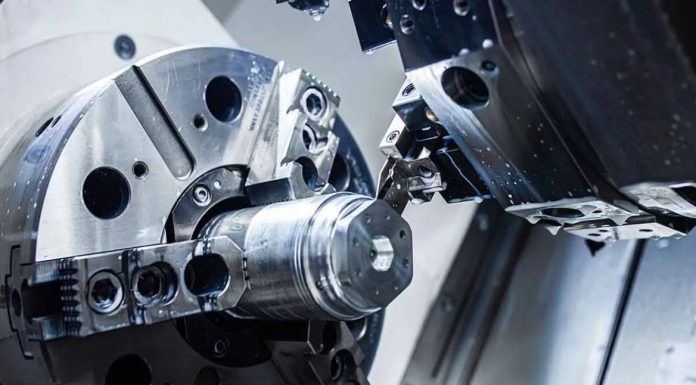
The company said the initiative complements its manufacturing operations by applying existing design, engineering and manufacturing capabilities to recovering components, refurbishing products and re-manufacturing furniture.
“We’ve always been manufacturers, but we see the next evolution as becoming re-manufacturers,” Clark said.
“Because we understand how these products are designed and built, we’re in a unique position to recover them, refurbish them and return valuable materials back into the manufacturing cycle.”
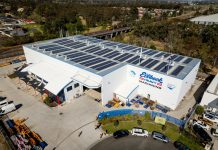
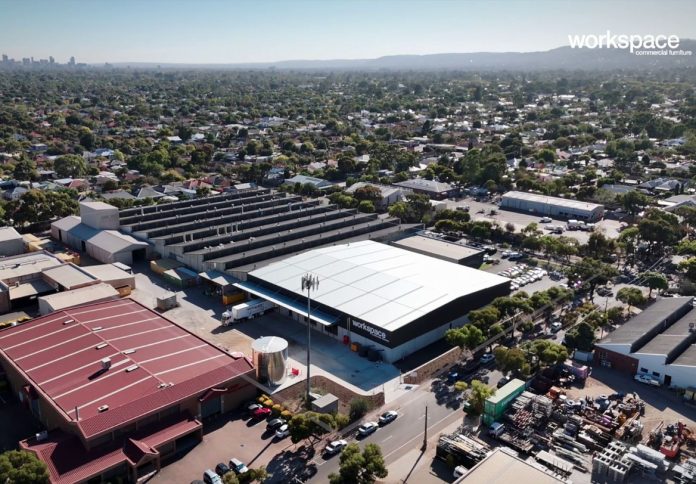
Workspace said the program will use its existing national logistics network and delivery fleet to collect furniture before transporting it to its South Australian facility or approved recycling partners. Participating organisations may also receive documentation, including recycling certificates where applicable, to support sustainability reporting.
According to the company, the launch builds on broader sustainability initiatives introduced across its operations, including ISO 14001 Environmental Management certification, ISO 14006 Eco Design certification, PEFC Chain of Custody certification, EcoVadis accreditation, updated packaging initiatives, Greenfleet freight emissions offsets, and an expanded range of AFRDI Blue Tick and Green Tick certified products.
Workspace said the initiative aligns with increasing emphasis across the property and construction sectors on circular economy principles, material recovery and reducing waste throughout the lifecycle of buildings.
Clark said the company expects re-manufacturing to become a more significant part of the sector.
“The way we see it, manufacturing doesn’t finish when a product leaves the factory,” he said.
*”If we can recover materials, refurbish furniture and give products another life, we’re still manufacturing — just differently.”