The Australian government has made a $126.9 million investment in domestic manufacturing of solid rocket motors, a move aimed at enhancing the country’s sovereign defence capabilities and industrial self-reliance.
Northrop Grumman Australia will serve as the preferred industry partner for the initiative, according to the government’s recent announcement.
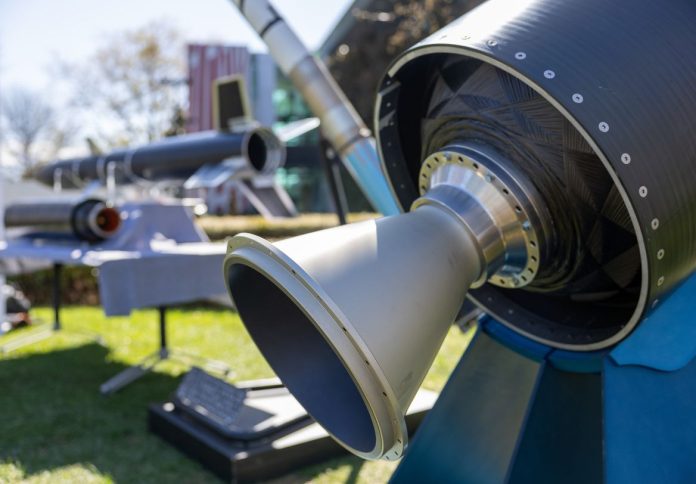
These motors are the primary propulsion systems for most guided weapons and are currently facing high demand on the global stage.
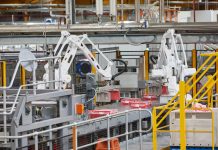
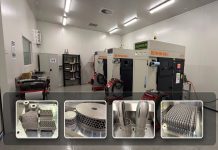
The project will utilise recently upgraded facilities at the Mulwala munitions factory in New South Wales to accelerate the production of these missile components.
Australia is expected to begin manufacturing rocket motors for the Guided Multiple Launch Rocket System (GMLRS) at the Mulwala site by 2030.
Beyond the initial production, the government said it plans to have a dedicated Rocket Motor Manufacturing Complex operational by 2033. This facility is intended to support high-rate production for various types of solid rocket motors.
The Department of Defence is also collaborating with DefendTex, Black Sky Industries, and Anduril Australia to explore novel manufacturing methods. These partnerships could expand to include other Australian providers once the domestic industry is fully established.
This initiative is designed to bolster local supply chains and provide Australian small-to-medium enterprises with a pathway into the international defence market.
By teaming up with established international manufacturers, the program aims to rapidly develop local expertise and create highly skilled jobs within the country.
Minister for Defence Industry Pat Conroy emphasised that this financial commitment is a dual-purpose investment: supporting Australia’s self-reliance and creating jobs within the country’s defence industrial base.
“This investment will ensure the Australian Defence Force has reliable, resilient access to the capabilities needed to defend Australia and our immediate region,” he added.
The announcement follows a technical milestone in February, where the Defence Science and Technology Group (DSTG) conducted a successful static firing of the DRACO rocket motor at Woomera.
As an Australian-designed and developed component, the DRACO project represents a significant advancement in local research and development for missile technology, according to the government’s announcement.
Reflecting on the achievement, Conroy noted that the successful test of the DRACO motor demonstrates the rapid advancement of Australia’s expertise in energetics and missile technology. He described the milestone as a major step forward for sovereign capability, industry collaboration, and long-term defence preparedness.