Bundamba-based manufacturer TRHC is expanding its role in regional and remote firefighting support, rolling out Australian-built fire suppression systems designed for harsh operating conditions and growing fire risks.
In a media release, the company said it is supplying its SNUFIT and CAFAID fire suppression systems to frontline crews in Queensland and South Australia, with several units already installed on firefighting vehicles.
A next-generation SNUFIT prototype is also scheduled for release later this year, according to TRHC.
TRHC said the developments come as Australia faces more frequent extreme fire weather, with conditions reportedly increasing by 56% over the past four decades. In Queensland, where more than 28,000 Rural Fire Service volunteers operate, crews are contending with longer fire seasons and faster-moving vegetation fires.
TRHC noted a key focus of the rollout is a trailer-mounted CAFAID unit, which the company says is among the first of its kind on the market. The system is designed to be towed by a range of vehicles, giving regional brigades access to compressed air foam capability in areas where heavy fire appliances cannot operate.
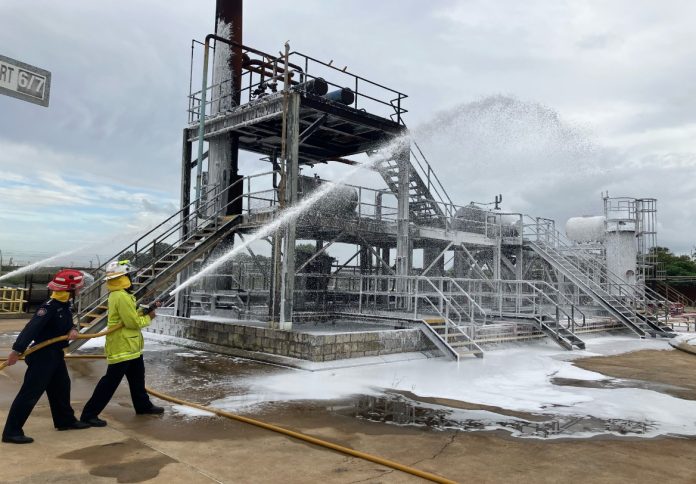
The CAFAID system uses a simplified compressed air foam approach and is designed without moving parts or complex synchronisation systems. TRHC said this allows it to deliver consistent foam output while reducing mechanical complexity and enabling use with existing pump setups.
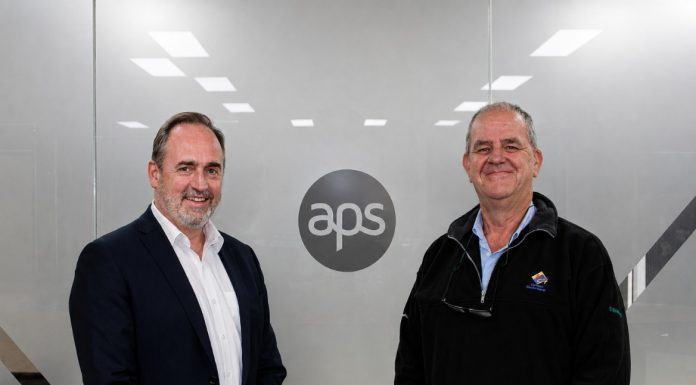
“Many regional brigades don’t have the budget or access to heavy CAFS trucks,” said Garth Hanson, National Operations Manager at TRHC. “They rely on utes, slip-on units and machinery. A portable CAFAID system gives them the same suppression power without needing a specialised vehicle.”
The company recently supplied three CAFAID units to the Queensland Fire Department for deployment in high-risk regional areas.
TRHC is also increasing production of its SNUFIT suppression system, which is designed for rapid knockdown and simpler operation. The system is intended for use on medium to heavy tanker applications and is compatible with a range of common diesel engines.
TRHC said demand for Australian-made equipment is increasing as agencies prioritise shorter lead times, local servicing and gear designed for domestic conditions. Hanson said users are increasingly focused on durability and responsiveness.
“People want to know how much it costs, how quickly they can get it, and if it’s made here,” he said. “Imported systems don’t always cope with our terrain or our weather. Local crews need gear designed for heat, dust, remote access and long operational hours.”
The company said its systems are intended to support both suppression and prevention activities, including asset protection and perimeter wetting, as fire behaviour becomes more unpredictable.
“Every second counts,” Hanson said. “You don’t want to suffer the consequences of bad, low-quality equipment. CAFAID systems can be used not only to stop fires once they happen, but to help prevent them.”