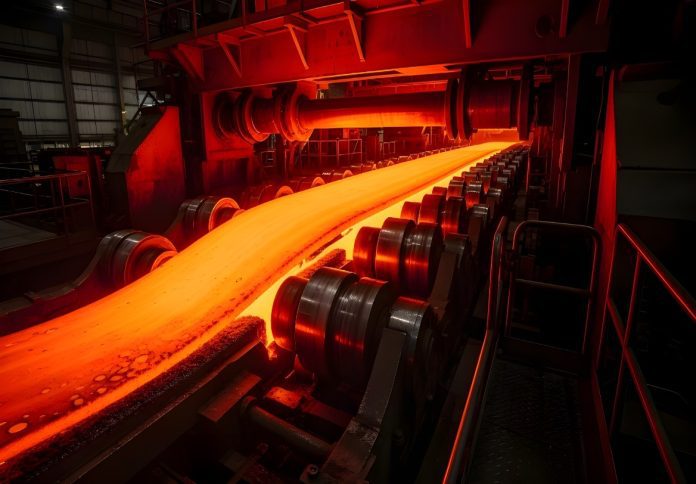
New Zealand Steel has begun commercial steel production using a new electric arc furnace (EAF) at its Glenbrook steelworks, marking a major shift in the company’s manufacturing operations and reducing the site’s annual greenhouse gas emissions by more than 45%, according to the company.
In a news release, the steelmaker said the first commercial heat was produced just over two years after construction began in June 2024.
The transition involved replacing Glenbrook’s oxygen steelmaking furnace and two of its four coal-fuelled kilns, which New Zealand Steel said will halve coal use at the site.
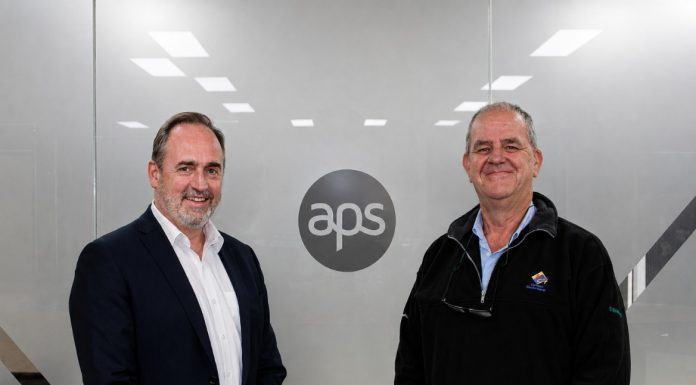
Robin Davies, chief executive Australia and New Zealand at New Zealand Steel, described the first production as a significant milestone for the business.
“The project has exceeded a million hours of construction effort to get us to this point today,” Davies said.
Davies said the new EAF would create opportunities to expand the use of lower-carbon steel in New Zealand, including in construction and infrastructure.
“We’ve produced the first heat just over 2 years after breaking ground and been able to undertake this significant business transition within a fully operational steelworks, continuing to produce the usual 650,000 tonnes of steel to ensure uninterrupted supply to the domestic sectors that rely on it,” he said.
The EAF uses locally supplied scrap steel and electricity from renewable generation. New Zealand Steel said agreements with scrap suppliers Sims and GMS would redirect hundreds of thousands of tonnes of scrap from export markets to domestic recycling at Glenbrook.
Contact Energy is also supplying firmed renewable electricity under an agreement supporting the furnace’s operations, according to New Zealand Steel.
The project includes up to $140 million in co-investment from the New Zealand Government. Davies said the investment demonstrated the importance of partnerships in delivering projects of this scale.
“Projects of this scale rely on partnerships and this one is a world-class example of a successful public private investment partnership with the New Zealand government co-investing up to $140m,” he said.
New Zealand Steel said the transition was completed while the Glenbrook steelworks remained operational, allowing the company to continue supplying its domestic customers.
The company’s sister business, Pacific Steel, is expected to be the first to bring steel produced through the new process to market. New Zealand Steel said its PACIFIC™ product would be introduced later this year, while PACIFIC DCRB® reinforcing steel is intended to provide a lower-carbon option for locally manufactured reinforcement products.
New Zealand Steel said the project was intended to support the long-term future of domestic steel manufacturing while reducing the emissions associated with production.