
Australia’s industrial property market recorded a record 1.49 million square metres (sqm) of gross take-up in the third quarter of 2026, while national vacancy fell to 4.6 per cent, according to JLL Research.
The result represented a 20 per cent increase in take-up from the previous quarter and exceeded the previous record of 1.28 million sqm set in the fourth quarter of 2023.
JLL said large pre-lease commitments helped drive demand, with Transport, Postal and Warehousing and Retail Trade occupiers accounting for 66.7 per cent of total take-up across the five markets tracked.
Annabel McFarlane, Head of Strategic Research, Australia at JLL, said the positive headline figures masked differences in market conditions and business confidence.
“Pre-lease commitment activity has been dominated by large tenants, who are focused on increasing supply chain efficiency across their operations, incorporating the latest automation and robotics systems into new developments that will be completed in coming years,” McFarlane said.
She added that older buildings could be difficult to automate cost-effectively, while smaller operators were less optimistic than larger businesses.
National industrial vacancy declined from 4.8 per cent in the second quarter, with prime vacancy falling from 4.2 per cent to 3.7 per cent. Perth recorded the lowest vacancy rate at 1.8 per cent, while Sydney remained the highest at 5.4 per cent despite a quarterly decline.
The supply of new industrial space also slowed, with completions falling 51.5 per cent to 280,400 sqm, the lowest quarterly total since the third quarter of 2021. JLL reported that 70.7 per cent of industrial stock under construction nationally was pre-committed.
However, vacancy increased in Brisbane, rising from 4.5 per cent to 4.8 per cent, and Adelaide, where it climbed from 3.8 per cent to 4.3 per cent.
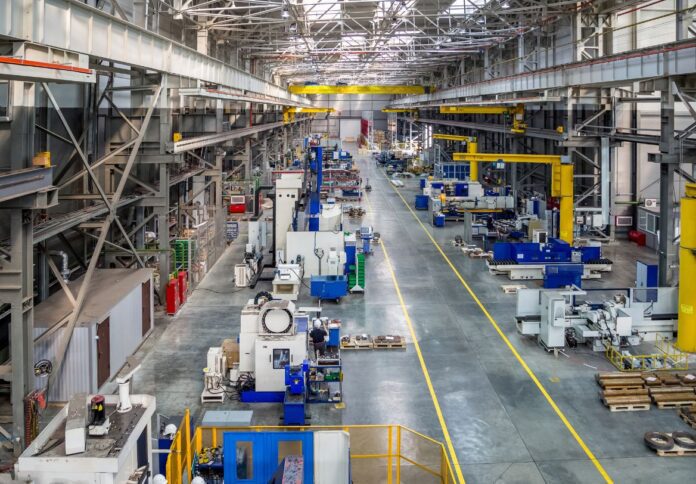
Nathan Bingham, Head of Industrial and Logistics for Australia and New Zealand at JLL, said manufacturing demand had also strengthened.
“Manufacturing take up for YTD 2026 is already double the historical annual average for this industry segment,” Bingham said.
He added that demand from mid-tier logistics groups had picked up as businesses expanded or adjusted their space requirements ahead of end-of-year sales.
Quarterly industrial rents increased by 2.1 per cent in Adelaide, 1.5 per cent in Brisbane, 0.8 per cent in Melbourne and 0.1 per cent in Sydney, while Perth rents remained unchanged.
JLL said industrial property investment sales declined 47.7 per cent following a record second quarter, but remained 68.6 per cent above the ten-year average.