PPK Group acquires interest in lithium battery manufacturer PowerPlus Energy
PPK Group Limited, a technology incubation and commercialisation, has completed the acquisition of majority interest in PowerPlus Energy (PPE), Australia’s largest privately-owned lithium battery manufacturer.
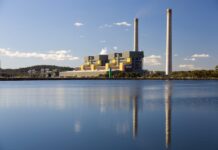
Origin Energy to extend Eraring Power Station operations until 2029
Origin Energy Limited has advised the Australian Energy Market Operator (AEMO) that it will extend the operation of all four units of the Eraring Power Station in New South Wales from 19 August 2027 to 30 April 2029, citing the need to support energy supply during the transition of the electricity system.
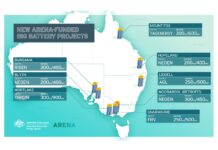
ARENA backs eight grid scale batteries worth $2.7 billion
On behalf of the Australian Government, the Australian Renewable Energy Agency (ARENA) has today announced $176 million in conditional funding to eight grid scale battery projects across Australia.
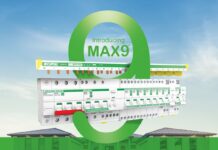
Clipsal by Schneider Electric’s MAX9 wins Australian Good Design award
Clipsal by Schneider Electric received recognition at the recent 2022 Australian Good Design Awards for its new residential circuit protection range MAX9.

Queensland Pacific Metals inks ILUA for Northern Hub waste gas dev’t
Queensland Pacific Metals Ltd’s wholly-owned subsidiary, QPM Energy (QPME), has signed an Indigenous Land Use Agreement (ILUA) with the Widi Aboriginal Corporation (WAC), representing the Traditional Owners of the land.

University of Wollongong gets $10m for clean energy initiative
The Albanese government fulfils its pledge to build the skills and capabilities for Australia’s transition to a clean energy future with a $10 million investment at the University of Wollongong.

Energy Dome sets up APAC headquarters in Melbourne
Italian energy storage company Energy Dome has selected Melbourne as the location for its Asia-Pacific headquarters, a move supported by the Victorian Government as part of its efforts to attract global investment and bolster renewable energy initiatives.
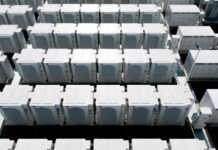
Victoria adds 150-MW storage capacity to big battery pipeline
Victoria is getting an additional 150-MW energy storage capacity with a new big battery installed at the former coal-fired power station in Hazelwood, Gippsland.

New report calls for urgent action on electricity storage to meet Australia’s energy goals
A new white paper released by Monash Business School reveals that large-scale electricity storage is crucial to achieving Australia’s clean energy targets.
WA seeks proposals for Pilbara transmission to unlock green energy
The Western Australian Government has launched an expressions of interest (EOI) process aimed at securing the Pilbara’s clean energy future.







Featured Article
The economic forces driving manufacturing’s next cycle
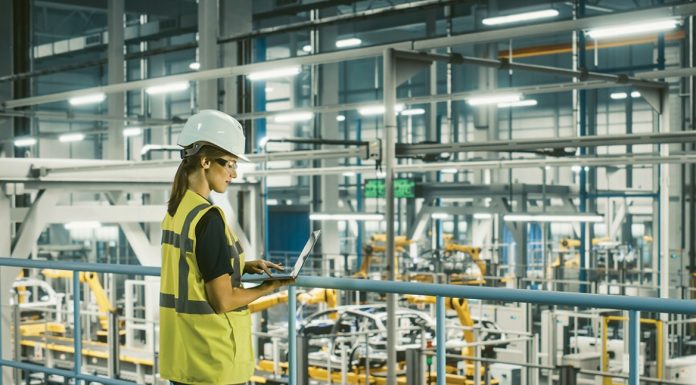
Australia’s manufacturing sector entered 2026 with improving momentum, but renewed global disruption is again testing resilience across the industry.