Global metal cutting and machining solutions company Sandvik Coromant says manufacturing automation continues to face a key limitation at the point where the cutting tool meets the material, despite broader advances in robotics, connected systems and analytics.
In a media release, the company said many manufacturers have adopted automated supervision systems, connected machinery and production dashboards, but machining processes themselves still often depend on operator judgement and post-process inspection rather than real-time monitoring.
Leland Bailey, Project Manager at Sandvik Coromant, said sensorized tooling could help address that gap by making metal cutting processes observable and controllable during operation.
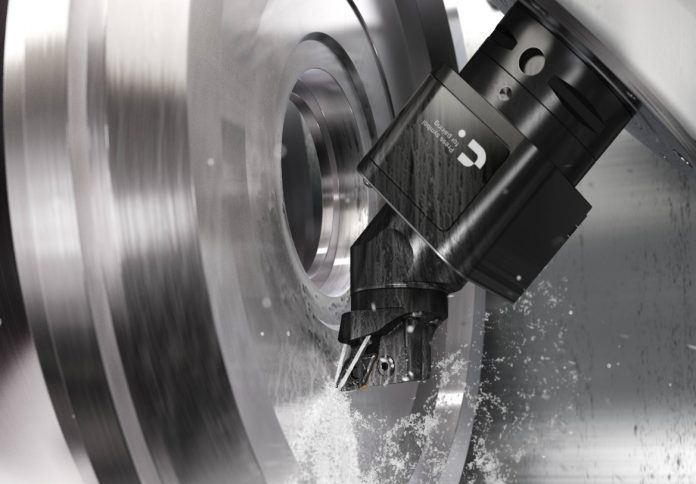
According to the release, sensorized tooling uses embedded or attached sensors in cutting tools, holders or adapters to monitor factors such as cutting forces, vibration and surface chatter. The data can then be streamed in real time to operators or directly into machine controls to detect anomalies and trigger corrective actions.
The company said these actions could include pausing the process, adjusting machining parameters or initiating tool changes, with the aim of improving consistency and reducing downtime.
Citing Deloitte’s 2025 Smart Manufacturing and Operations Survey, the release stated that 92 per cent of manufacturers surveyed believe smart manufacturing will be a key driver of competitiveness over the next three years due to its potential impact on productivity and output.
Sandvik Coromant argued that productivity gains from sensorized tooling come from stabilising machining processes and reducing unplanned stoppages, allowing manufacturers to extend unattended production periods with greater confidence.
The release also highlighted tool life management as another application. It said many machine shops either replace tools too early to avoid unexpected failures or extend use too long and risk breakage and scrap.
Real-time monitoring, according to the company, allows tool replacement decisions to be based on live process data rather than fixed schedules or operator judgement.
Sandvik Coromant also linked sensorized tooling to workforce challenges facing manufacturing. Referencing data from the World Manufacturing Foundation, the company noted that 74 per cent of companies report difficulties recruiting skilled workers.
The release said sensorized tooling could help preserve operational knowledge by converting machining experience into recorded data, including signal traces, thresholds and event logs that can be used for training, troubleshooting and process optimisation across shifts and sites.
Bailey said manufacturing businesses often mistake process visualisation for automation, arguing that dashboards and graphs still rely on human intervention to interpret problems and respond.
According to Sandvik, the next step is machine-led decision-making, where systems automatically enforce process limits and initiate protective actions if conditions such as excessive chatter or force spikes are detected.
Sandvik Coromant said its CoroTurn® Plus system was developed to support this approach. The company said the system can either provide live process monitoring through CoroPlus® Viewer or integrate directly with machine controls through CoroPlus® Connected to enable automated protective responses.
The company said sensorized tooling could support more stable machining processes and help manufacturers pursue “lights-out” production, where machines continue operating unattended for extended periods.
Bailey said smart manufacturing ultimately depends on visibility at the tool tip, adding that sensorized tooling could help transform machining into a more controllable and auditable process.