Monash University researchers have developed a new filtering material designed to improve the efficiency of plastic recycling by helping recover and reuse chemicals used in the process, according to a study published in the Chemical Engineering Journal.
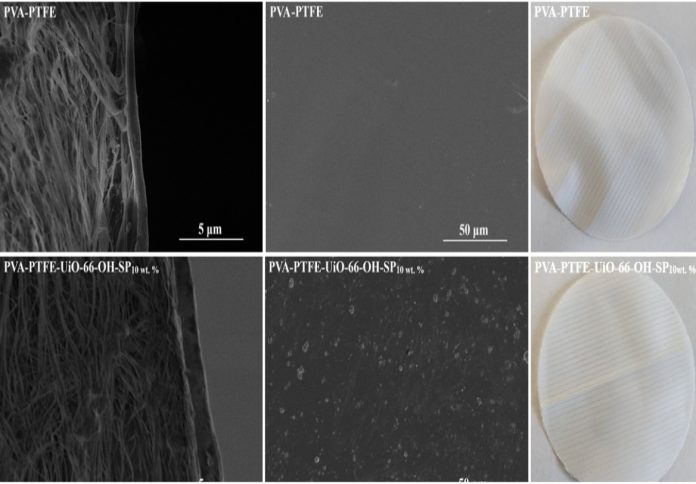
The nanocomposite membrane formulation was developed by engineers from Monash University in collaboration with CSIRO and The University of Texas at Austin. The research focuses on improving glycolysis, a chemical recycling process used to break down PET plastics with ethylene glycol.
Researchers noted that PET plastics are commonly used in drink bottles, food packaging and synthetic textiles. During glycolysis, PET plastics are broken down into chemical building blocks that can potentially be reused, but researchers said recovering ethylene glycol from the reaction mixture has remained difficult and costly.
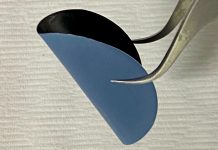
The team said the newly developed membranes are designed to separate water from ethylene glycol without relying on more energy-intensive recovery methods. According to the researchers, this enables ethylene glycol to be recovered at high purity and reused in the depolymerisation process.
Lead author Hamidreza Mahdavi, a research fellow in Monash University’s Department of Materials Science and Engineering, said the study addresses challenges in existing recycling systems.
“Plastic waste still contains valuable building blocks. Our work shows that membrane technology can help recover these building blocks more efficiently from PET recycling streams, so they can be reused rather than wasted,” Dr Mahdavi said.
“Instead of only recovering energy from end-of-life plastics, we are trying to recover the building blocks needed to make new materials. This is an important step toward a more circular approach to plastic recycling.”
The researchers said the membrane-based separation process was tested under conditions intended to reflect real-world recycling environments, with the technology potentially applicable to a range of PET waste streams including bottles, packaging trays and textiles.
According to the research team, the technology could contribute to reducing plastic waste, lowering emissions and improving the economics of chemical recycling over the longer term.
The study forms part of a broader research program under the CSIRO-Monash collaboration project. Researchers said earlier work had identified membrane technologies as a promising approach for PET recycling, while the latest experimental study demonstrates the recovery of ethylene glycol in practice. Further research is planned to continue developing the technology.
The research paper, titled Highly selective thin-film nanocomposite membranes for ethylene glycol recovery from PET glycolysis streams, was published in the Chemical Engineering Journal.