Manufacturing of engineered building access systems is a key part of Safetylyne’s work, according to Capral Aluminium, which has highlighted the long-running relationship as an example of how Australian aluminium manufacturing supports safety-focused infrastructure solutions.
Safetylyne, established in 2000 by Trevor Collett on Queensland’s Sunshine Coast, has grown from a small home-based operation in Nambour into a nationwide provider of engineered height safety and building access systems used across commercial, industrial and infrastructure projects.
In a LinkedIn post, Capral Aluminium said Safetylyne’s evolution reflects the role of local manufacturing capability in supporting specialised engineering businesses. The company began by supplying basic access systems to builders before shifting towards more complex, customised designs.
“We started providing access systems to builders initially back in the year 2000,” Collett said. “We started in a small office in a house and a ute, and over time we grew the team and developed into what we have today.”
Today, Capral said Safetylyne focuses on designing engineered systems for rooftop access, plant maintenance and building infrastructure.
“We apply the standards and legislation to the client’s needs and give them the best solution that meets the brief and satisfies their operational requirements,” Collett said.
Capral Aluminium said aluminium manufacturing is central to Safetylyne’s product development, particularly for walkways, access platforms and structural components used in exposed environments.
According to Capral, aluminium’s corrosion resistance and strength-to-weight advantages make it well suited to safety systems installed on rooftops and in coastal or industrial environments where durability is critical.
“Aluminium is perfect because it has minimal corrosion,” Collett said.
Capral Aluminium also highlighted Safetylyne’s development of its own extrusion designs over time, describing it as an example of how Australian manufacturers refine product performance through field application and iterative design.
“We’ve used a lot of different systems over the years and worked out what’s good and what’s not good,” Collett said. “From there we’ve developed our own designs with the properties we need.”
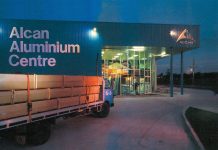
Capral said it has supplied aluminium extrusions used in Safetylyne’s walkway systems and access products for many years.
“Capral has been a supplier for us since way back,” Collett said. “I think the first walkway systems we ever used were from Capral, and we’ve bought many of our extrusions from them over the years.”
Capral Aluminium said the partnership demonstrates the importance of local supply chains in manufacturing environments where lead times, responsiveness and material consistency are critical to project delivery.
Safetylyne also emphasises its Australian-made positioning, with Capral noting that the collaboration reinforces the value of domestically sourced raw materials in engineered manufacturing outcomes.
“We advertise that we’re an Australian made provider and that means a lot to our clients,” Collett said. “To be able to partner with Capral and genuinely say we have an Australian provider of raw materials is a good thing for us.”
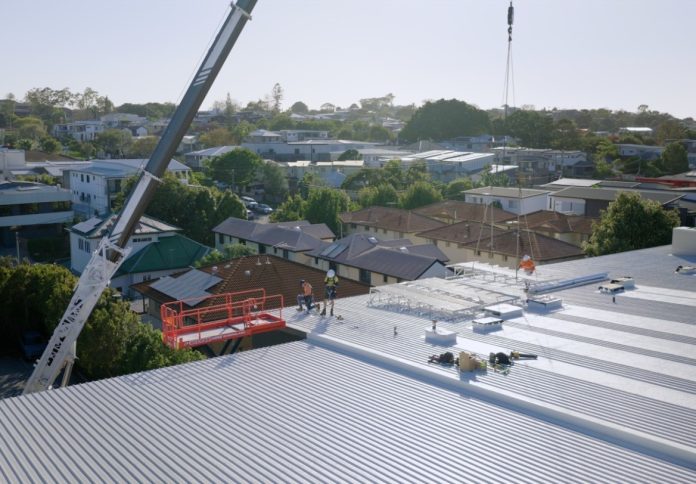
Safetylyne’s systems are now deployed across Australia and parts of the Pacific, spanning commercial buildings, warehouses, hospitals, bridges and industrial facilities. While often integrated into structures and not publicly visible, they are designed to enable safe access for maintenance and operational work.
Capral Aluminium said the sustained growth of Safetylyne reflects ongoing demand for Australian manufacturing capability in specialised safety infrastructure.
Collett said the diversity of projects continues to define the business.
“What lights my fire is that every day there’s a different challenge and a different client need to satisfy,” he said.