A manufacturing-focused production trial of graphene-enhanced cement roof tiles has delivered reductions in carbon emissions and material use.
In an ASX announcement, the company reported results from a five-month manufacturing trial conducted with FP McCann, described as the first production-scale effort of its kind.
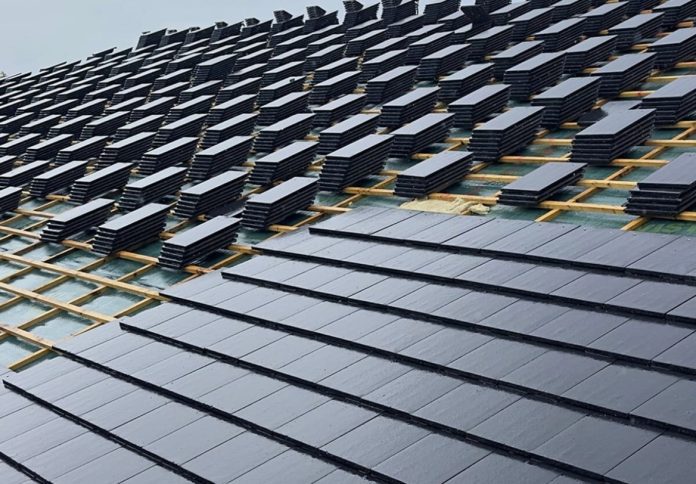
The trial took place at FP McCann’s Cadeby facility in the United Kingdom, where more than 10,000 roof tiles were produced using 40 tonnes of PureGRAPH-enhanced cement developed with Breedon Group.
According to First Graphene, the manufacturing process achieved a cradle-to-gate carbon emissions reduction of up to 14 per cent.
The company also reported a reduction of up to 8 per cent in the amount of cement required for the tiles, alongside a 26 per cent decrease in the CEM I-to-concrete ratio.
The tiles were tested for quality, efficiency, performance consistency and emissions reduction potential. First Graphene stated that the graphene-enhanced cement, classified as CEM-II, produced roof tiles with comparable strength while using fewer materials and potentially lowering costs.
First Graphene Managing Director and CEO Michael Bell said the trial demonstrated the potential of lower-emission cement products in construction.
“The results of this inaugural trial of graphene-enhanced cement roof tiles with FP McCann has reaffirmed the viability and performance benefits of a lower-emission cement product for the construction industry,” Bell said.
“Reducing the amount of cement required by up to 20% has a significant impact on the carbon footprint of these roof tiles, paving the way for more sustainable houses and buildings.”
The company said the tiles will be used in various projects, including installation on a new building at FP McCann’s Cadeby site. It added that discussions have begun with industry partners to explore broader adoption across the United Kingdom.
The trial was supported through the UK government’s ‘Contracts for Innovation’ program led by the Department for Energy Security and Net Zero, as well as the ‘Resource Efficient Construction Impacts’ program under the Department for Environment, Food and Rural Affairs.
First Graphene said the results support its entry into the global cement roof tile market, which it estimates could grow from US$7.6 billion to US$11.8 billion by 2034, as demand increases for lower-carbon construction materials.
The content of this article is based on information supplied by First Graphene Ltd. For more information, please refer to the official company announcement and communications from First Graphene. Please consult a licensed and/or registered professional in this area before making any decisions based on the content of this article.