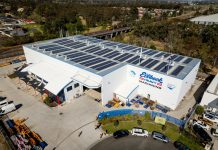
Fenner Conveyors has completed what it describes as a first-of-its-kind conveyor belt recycling initiative with Gladstone Ports Corporation (GPC) and Tyrecycle, aimed at establishing a circular economy model for Australia’s bulk materials handling sector.
According to Fenner, the project involved coordinating the recovery and recycling of decommissioned conveyor belts from the Port of Gladstone, where GPC operates 65 conveyor systems and more than 48 kilometres of installed conveyor belting.
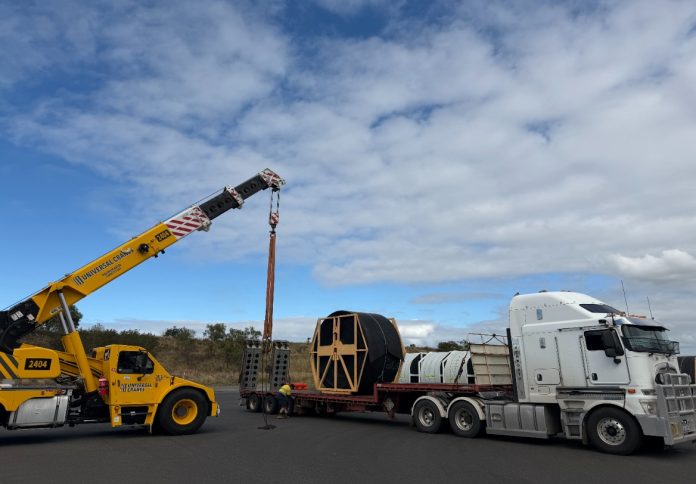
The belts were diverted from landfill and transported to Tyrecycle’s Brisbane facility before being processed into feedstock for new rubber products.
In June, six conveyor belts weighing a combined 122 tonnes were removed from the port and sent for recycling. Fenner said independent analysis commissioned by Tyrecycle estimated that recycling the belts avoided more than 190 tonnes of carbon dioxide equivalent emissions.
Fenner Conveyors Sales and Marketing Executive General Manager Trevor Svenson said the initiative demonstrated how conveyor belt waste could be repurposed through a local recycling pathway.
“Every organisation that begins recycling its belts is contributing to a growing circular economy, supporting local manufacturing, creating jobs and reducing waste,” Svenson said.
“GPC’s involvement is an important step in proving this model can work at scale for major industrial sites. We are proud to help deliver a solution that is practical, efficient and genuinely circular.”
Fenner said the recovered material would support the production of its InfinitySeries conveyor belting, which incorporates recycled rubber materials, including reclaimed conveyor belts, into new belt construction.
A GPC spokesperson said the initiative provided a viable recycling option for used conveyor belts.
“Our teams have been working through options for some time, so to have a genuine, data-backed recycling solution is a great step forward,” the spokesperson said.
Tyrecycle Head of Trading, Mining and Strategic Development Ashley Battilana said the project demonstrated the effectiveness of the companies’ circular belting model.
“The one-in, one-out logistics model removed double handling, reduced supply chain costs and enabled recycling to be completed in Australia within three days of the belt being removed from service,” Battilana said.
Fenner said it intends to expand conveyor belt recycling initiatives across Australia by working with customers to incorporate circular economy practices into their operations.