New Zealand’s domestic cement manufacturing capability is set to continue through at least 2040 after Fletcher Building announced an agreement between its Golden Bay Cement business and the New Zealand Government, which includes up to NZ$60 million in Government support for the company’s Northland operations.
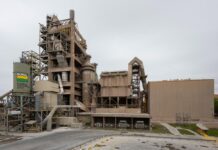
According to Fletcher Building, the agreement is intended to help secure the continued operation of Golden Bay Cement’s manufacturing facility at Portland, near Whangarei, while supporting planned investments in decarbonisation and operational resilience.
In a news release, the company said the arrangement reflects a one-time response to exceptional circumstances and recognises the strategic importance of domestic cement manufacturing to New Zealand’s infrastructure supply chain and national resilience.
Golden Bay Cement operates New Zealand’s only domestic cement manufacturing facility and supplies nearly 60 per cent of the cement used in the country, with around 95 per cent of its production sold locally.
Fletcher Building said Golden Bay Cement participated in an independent assessment which found that, without Government support, rising costs – including carbon costs – would likely have resulted in the plant closing and the business shifting to an import-only model from 2030.
The company said the agreement addresses the carbon cost disadvantage faced by domestic production compared with imported cement.
Under the agreement, Golden Bay Cement has committed to continue manufacturing cement at its Northland plant until at least 2040 and to invest at least NZ$150 million over that period.
Fletcher Building said the investment will be phased over time and remains subject to its normal capital governance and approval processes, with the detailed programme to be agreed with the Government.
Fletcher Building Chief Executive Officer and Managing Director Andrew Reding said retaining domestic cement production would strengthen New Zealand’s resilience by reducing exposure to shipping disruptions, supply shocks and price volatility.
“Without Government support, increasing costs, including carbon emission costs that our competitors importing cement from overseas do not currently incur at the same level, would likely have required us to close the plant and move to an import-only model from 2030,” Reding said.
“This agreement removes that risk, providing the certainty to keep investing in domestic manufacturing, operational resilience and lower-carbon production.”
Fletcher Building said Golden Bay Cement has previously invested in plant modernisation and the use of alternative fuels to reduce reliance on fossil fuels, adding that the domestic cement produced at the facility has a lower carbon footprint than imported cement it could otherwise be replaced with.
The company also said Golden Bay Cement directly employs more than 150 people and supports more than 600 full-time equivalent jobs across the Whangarei district through its operations and supply chain, citing a 2026 BERL Economic Impact Assessment.
The content of this article is based on information supplied by Fletcher Building Ltd. For more information, please refer to the official company announcement and communications from Fletcher Building. Please consult a licensed and/or registered professional in this area before making any decisions based on the content of this article.