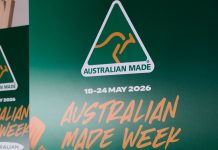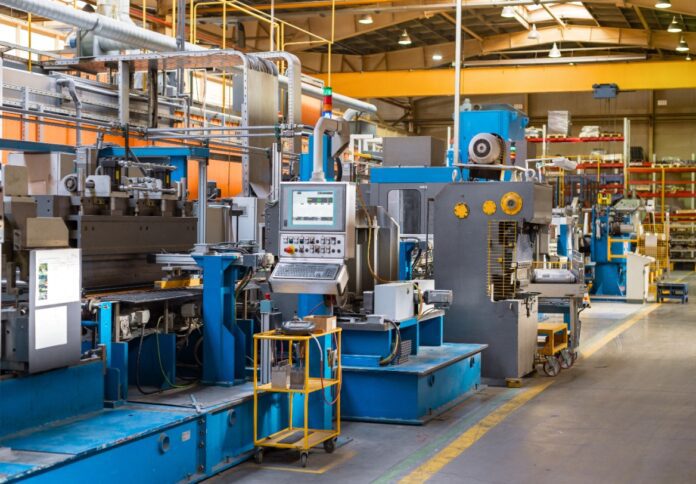
Manufacturing has been placed in the economic spotlight as Australian Made Week begins 18 May, with Earlypay saying the sector sits at the centre of broader discussions around supply chains, investment and Australia’s long-term economic resilience.
In a media release, Earlypay chief executive James Beeson said manufacturing should be viewed not only through the lens of consumer choice, but as part of national productive capacity and financial strength, particularly as businesses navigate ongoing supply chain pressures.
“Over recent decades, Australia has become heavily reliant on overseas supply chains for many critical goods,” Beeson said in a statement attributed to Earlypay.
“In the short term, those dependencies are difficult to unwind, but the lesson is clear. If we do not continue building domestic manufacturing capability, we leave ourselves exposed when global supply chains come under pressure.”
He said Australian Made Week highlighted manufacturing’s broader role in the economy, including employment, investment and security.
“There may be a cost to buying Australian-made in some categories, but that spending supports local businesses, local jobs and investment in a productive capacity,” Beeson said.
“If we are serious about strengthening Australian manufacturing, businesses need the confidence and working capital to invest in equipment, people and production capacity.”
Earlypay also pointed to the Federal Budget, which included productivity reforms the Government says are aimed at reducing regulatory burden by $10.2 billion annually, alongside cash-flow measures for businesses.
These include a proposed loss carry-back style arrangement from 2026–27 allowing eligible companies to receive refunds against tax paid in prior years, expected to benefit up to 85,000 businesses, and a permanent extension of the $20,000 instant asset write-off for small businesses from 1 July 2026.
Beeson said the measures were broadly positive for business liquidity but argued more targeted support for productive industries such as manufacturing was still needed.
“The Budget measures are useful, particularly anything that improves cash flow or gives small businesses more certainty around investment,” he said.
“But we also need to think seriously about where Australia can excel. Agriculture, energy and defence are all areas where local capability matters and where stronger manufacturing capacity can support long-term economic resilience.”
He also pointed to workforce development as a key factor in strengthening the sector.
“We cannot just say we want to make more things in Australia if we do not also have the people and skills to do it,” Mr Beeson said.
“University is not the only pathway. We need stronger vocational education pathways that prepare people for higher-skilled jobs in modern manufacturing, automation and production.”
Australian Made Campaign Limited chief executive Ben Lazzaro said consumer demand also plays a role in supporting domestic industry, including manufacturing jobs and regional businesses.
“When consumers choose Australian Made, they’re actively supporting local economies, strengthening communities and helping Australian businesses thrive,” Mr Lazzaro said.
“Supporting local has never been more important. Australian Made Week is about calling on shoppers and businesses to back the home team and look for the Australian Made logo, because Australian Made makes Australia,” he said.
Research cited by Australian Made Campaign Limited suggests that an additional $20 weekly spend on locally made goods could contribute $11 billion to the economy and support 20,000 jobs.
Earlypay said the combination of consumer awareness, business investment and policy support will be important in shaping the future direction of Australian manufacturing and broader economic capacity.