





Why do Australian manufacturers need to be more like technology companies?
In our digital economy, the customer is in the driving seat. Not only can they freely access mountains of information, but they have the...

How to contain costs with inflation on the rise
Article by Josh Bardell, Lead Strategic Consultant at PROS
If done correctly, pricing is the most sustainable lever businesses have against inflation and overall market...

Unlocking manufacturing potential: The role of IIoT Smart Factory Accelerators
With Industry 5.0 kicking off, manufacturing companies are at the forefront of a technological revolution, seeking innovative solutions for their factories to drive operational efficiency and maintain a competitive edge.

Forescout report uncovers the 10 riskiest Internet of Things devices in manufacturing in 2020
This article is by Rohan Langdon, regional director,
Australia and New Zealand, Forescout
New technologies in the manufacturing industry such as the Internet of Things...

Manufacturing CFOs are expected to make informed technology investment decisions, but most are thinking...
Article by Sanjay Galal, Asia Pacific CFO at SYSPRO
Despite exceptionally challenging business conditions during 2020, there is a growing degree of business confidence returning...

How Australian manufacturing firms can overcome the challenges of cloud migration
The benefits offered by the adoption of cloud computing are now well understood in the manufacturing sector, however many firms are still struggling to put a clear migration strategy in place.

Miniaturisation in Medtech: Mechanical factors that influence product success
Medical devices are becoming smaller, lighter and more portable. From handheld diagnostic tools to wearable infusion pumps and compact surgical instruments, reduced size is now a defining feature of many new Medtech products.
What’s driving quality for manufacturers?
Today’s end consumers demand quality, and they are quick to try a competitive product when disappointment hits. For manufacturers, the quest to achieve less variability, more consistency and enhanced customer satisfaction has never been more critical.

How manufacturers can improve uptime and reduce outages with AI-powered unified observability
Unplanned downtime costs Australian businesses an average of $349,000 AUD per hour, significantly surpassing the global average of $194,000 AUD. Despite this substantial financial impact, many manufacturers continue to rely on reactive maintenance strategies, leaving their operations vulnerable to unexpected disruptions.

Manufacturing-from-home the only option for some small businesses in COVID-era
Article by Edwina Cameron, Owner of I Heart Wall Art
The number of people working from home has increased world-wide since the COVID-19 pandemic took...








Featured Article
Xometry CEO Sanjeev Singh Sahni on how AI and digital networks are reshaping manufacturing supply chains
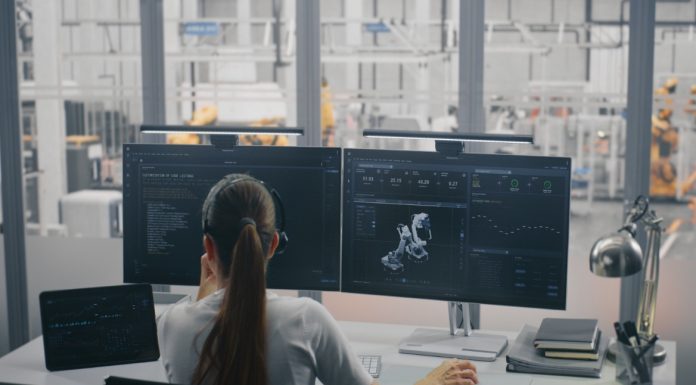
Australian manufacturers have long competed against distance. In an exclusive interview with Australian Manufacturing, Xometry CEO Sanjeev Singh Sahni discusses how AI can help manufacturers access more production capacity and simplify traditionally email-driven supply chains.